

By Sarah Burchard
16 March, 2026
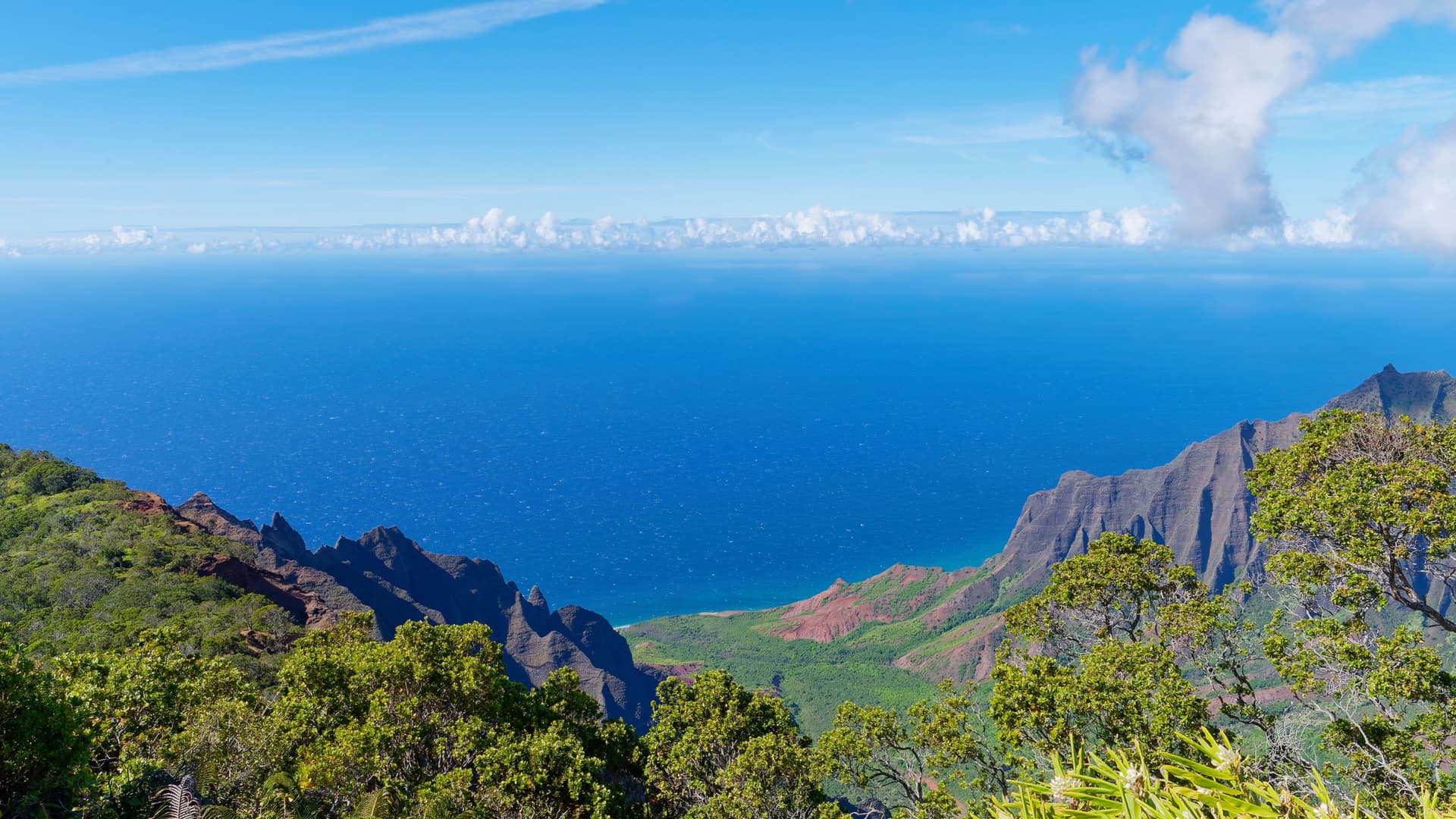
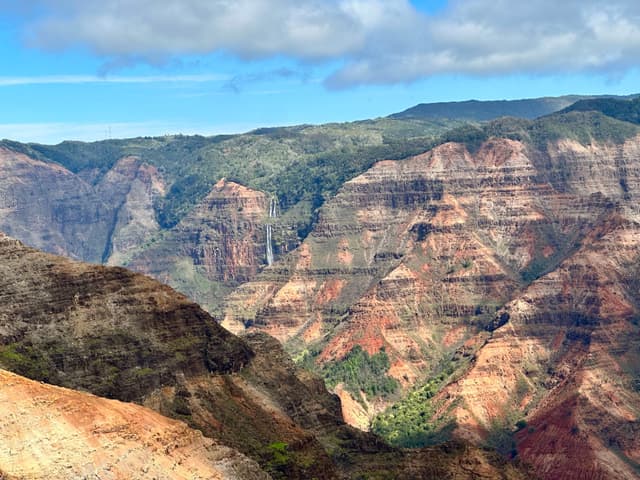
An aerial view of the Kalalau Valley and Nā Pali Coast from the Kalalau Lookout in Kōkeʻe State Park. Photo by Wirestock Creators via Shutterstock.
This article was originally published on March 15, 2016, and was updated March 16, 2026.
Kōkeʻe State Park encompasses 4,345 acres of mountainous terrain on Kauaʻi's West Side, sitting roughly 4,000 feet above sea level. From this elevation, visitors can enjoy views of the ancient Kalalau Valley and the Nā Pali Coast stretching down to the Pacific Ocean. Twenty hiking trails wind through native rain forest, along the rim of Waimea Canyon and into the neighboring forest reserves.
Beyond hiking, visitors can spend the day picnicking and stopping at the park's scenic lookout points, pitch a tent for overnight camping or rent a cabin for a longer stay. Kōkeʻe is also one of the best places in Hawaiʻi to observe native plants and forest birds. Depending on the season, the park offers trout fishing and pig and goat hunting within designated public hunting areas.
While you won't come close to seeing all 4,345 acres in a single day, plan to spend at least a few hours here. The drive from the coast takes about 40 minutes, and you'll want to stop at the lookouts on the way up, including the Waimea Canyon Lookout just south of Kōkeʻe State Park.
Once you're in the park, give yourself time to explore the scenic overlooks, have a picnic or grab lunch at the Lodge, browse the Kōkeʻe Natural History Museum, and if you're up for it, squeeze in a short hike.
One thing that surprises many first-time visitors is how much the weather changes up here. Temperatures at Kōkeʻe run roughly 20°F cooler than at the coast, averaging 40–70°F in winter and 50–80°F in summer. The cabins sit above 3,000 feet, where it gets cold at night. Come prepared with a light jacket even if it's warm at the coast. The park's weather can also shift quickly, bringing rain without warning, so dressing in layers is always a good idea.
Cell service is essentially nonexistent throughout most of the park, with the exception of a small stretch of the main road between mile markers 14 and 15 and at the Puʻu Hinahina and Waimea Canyon lookouts.
Kōkeʻe State Park is open daily during daylight hours. When you arrive, visit a paybox at one of the lookouts to pay the daily fees. Put the receipt on the dashboard of your vehicle. You will only need to pay these fees once for the entire day.
Parking Fee: $10 per vehicle for non-residents
Entrance Fee: $5 per person for non-residents (ages 4 and up)
Hawaii residents: Free with a valid ID
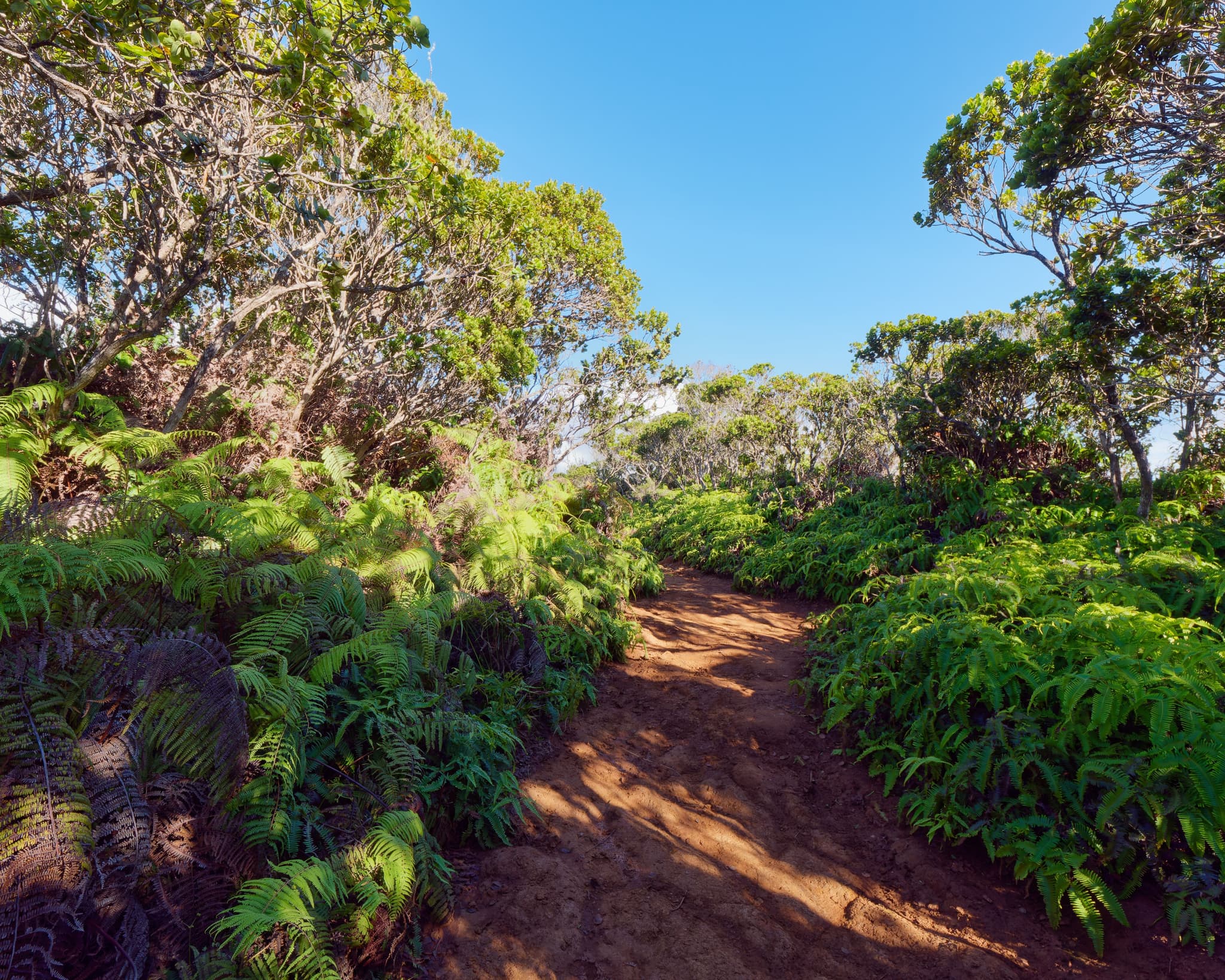
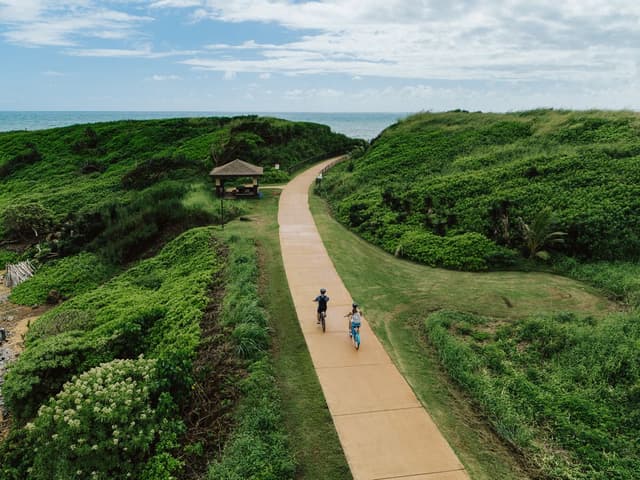
A scenic pathway in Kōkeʻe State Park. Photo by Wirestock Creators via Shutterstock.
Most of the park is covered in rainforests. The two native trees you can still find here is koa and ʻōhiʻa lehua — a tree with gnarled branches topped with distinctive red blossoms that have long held significance in Hawaiian culture. At higher elevations, the ʻōhiʻa trees are draped in ferns, mosses and orchids. Look out for native Hawaiian birds, including the ʻapapane and the ʻiʻiwi — a small honeycreeper who feeds on ʻōhiʻa blossoms.
On most days, mist rolls through the air, which smells like wet earth and vegetation. The park is a patchwork of ecosystems, which changes the higher you go in elevation. Alongside the native forest, you'll see dry land covered in shrubs, the walls of Waimea Canyon plunging thousands of feet down and, at the edge of the Kalalau Valley, the rugged cliffs of the Nā Pali Coast.
See all

The Kōkeʻe Nature Trail is an easy five minute educational hike next to the museum that's great for kids. Photo by Sarah Burchard.
When you arrive, stop by the Kōkeʻe Natural History Museum at the park's headquarters for detailed information on each of the hiking trails, including directions to the trailheads and what to expect on each trail. Note that all trails are one-way, so for the distances listed below, double the length for the round-trip total.
Alakaʻi Swamp Trail (3.5 miles): This is a difficult and dangerous trail, due to dense fog, rain and mud.
Awaʻawapuhi Trail (3.1 miles): A difficult hike with a 1300-foot drop.
Black Pipe Trail - (0.5 miles): An easy-to-moderate trail named after the old Kekaha Sugar Plantation ditch system.
Cliff Trail (1 mile): This is an easy hike that provides another entry point to the Waimea Canyon Trail leading to Waipoʻo Falls.
Ditch Trail (3.5 miles): This is a difficult trail due to poor trail conditions. It was originally created to maintain Kōkeʻe's irrigation ditch.
Faye Trail (0.1 mile): An easy trail that serves as an entry point to other trails in the Halemanu forest, although it is often overgrown.
Halemanu - Kōkeʻe Trail (1.2 miles): Moderate trail that goes over a ridge fro Halemanu Valley to Kōkeʻe campgrounds, including the YWCA Camp.
Kaluapuhi Trail (1.6 miles): Easy trail located just past the Kalalau Lookout.
Kawaikōi Stream Trail (1.8 miles): Easy trail along and across the Kawaikōi Stream.
Kohua Ridge Trail (2.5 miles): A moderate-to-difficult trail serving as an access route for pig and goat hunting.
Kumuwela Trail (1 mile): A moderate hike, primarily used for hunting. This trail is not maintained.
Mōhihi - Camp 10 Road Trail (6.1 miles): A difficult hike due to numerous hills and mud, located where workman's camps were established in 1922 to build the Kōkeʻe Ditch System.
Mōhihi-Waiʻalae Trail (4 miles): A difficult hike due to poor trail conditions, that serves primarily has an access route for hunters.
Nature Trail (950 feet): This quick trail, located next door to the museum, is very easy and great for small children. Itʻs lined with informational signage along the way to learn about Hawaiʻi's native and endemic plants.
Nuʻalolo Trail (3.8 miles): A strenuous, difficult hike with a 1400-foot elevation drop. Takes at least five hours to complete.
Pihea Trail (3.8 miles): A difficult hike with steep, slippery descents.
Poʻomau Canyon Trail (0.3 miles): Easy hike with view of Poʻomau and Waimea Canyons.
Puʻu ka ʻŌhelo (Berry Flats Trail) (0.6 miles): Easy nature trail.
Waininiua Trail (0.6 mile): Easy forest trail leading to a network of other trails.
Water Tank Trail (1 mile): Easy hike near the Kōkeʻe Discovery Center.
Kalalau Lookout: A panoramic view of Kalalau Valley, Nā Pali Cliffs and the Pacific Ocean. At 4000 feet elevation, this and the Waimea Canyon Lookout are the biggest reasons to visit these parks.
Puʻu O Kila Lookout: This is the last lookout point on the highway. In addition to Kalalau Valley and the Nā Pali Coast, you can also see the Alakai Swamp at the summit of Mount Waiʻaleʻale — one of the wettest place on earth.
See all
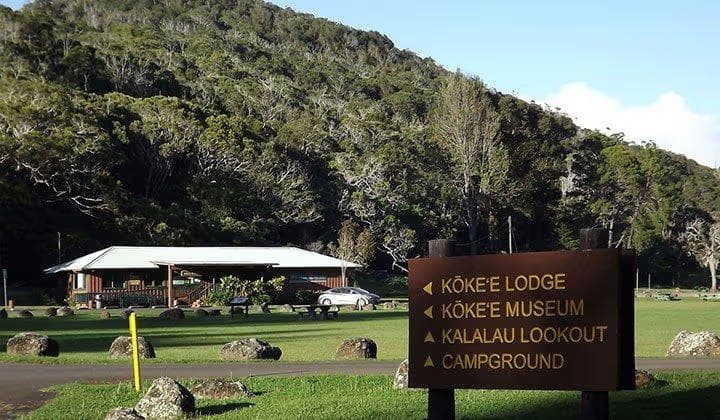
The Kōkeʻe Natural History Museum serves as the cultural and educational heart of Kōkeʻe State Park. While many visitors head straight for the Kalalau Valley lookouts or Waimea Canyon’s viewpoints, those who pause at the museum are rewarded with a deeper understanding of the island’s natural and cultural heritage.
The rustic stone-and-wood museum is located about 15 miles up Kōkeʻe Road at the park's headquarters, next door to The Lodge at Kōkeʻe State Park and a very short nature trail great for small children.
Kōkeʻe State Park is known for its high-elevation forests, endemic plants and rare bird species. Without context, these landscapes can be easy to simply admire and move past. The museum gives visitors the tools to truly appreciate what they’re seeing, from the story of how these forests formed to the delicate balance that sustains them today.
The exhibits are compact but rich in detail. Displays highlight:
Native Birds: Learn about species like the ʻapapane and ʻamakihi, many of which are only found in the Hawaiian Islands.
Plant Life: See how native ferns, ʻōhiʻa lehua and koa trees create the backbone of Kauaʻi’s upland forests.
Cultural History: Explore the early days of wilderness protection on the island and the deep connections Native Hawaiians have with the land.
Geology and Climate: Understand how erosion, rainfall and volcanic activity shaped the dramatic canyons and valleys that make Kōkeʻe so unique.
One of the most valuable aspects of the museum is its knowledgeable staff and volunteers. They are often hikers and naturalists themselves, eager to share trail maps, current weather conditions and recommendations based on your interests and skill level. Planning to hike the Canyon Trail to Waipoʻo Falls? Curious if the Alakaʻi Swamp Trail is too muddy? This is the place to ask.
The museum’s gift shop is more than a souvenir stop. It carries a curated selection of:
Books on Hawaiian flora, fauna, and history
Locally designed T-shirts and prints
Educational materials for children
Unique gifts and keepsakes connected to Kauaʻi’s wilderness
Every purchase helps support the non-profit that runs the museum, making it a meaningful way to contribute to preservation and education.
The Kōkeʻe Natural History Museum is open daily, including holidays from 9:00 a.m. to 4:00 p.m.
Admission is free, but donations are encouraged to support the museum’s programs and upkeep.
For more information, visit kokee.org/natural-history-museum

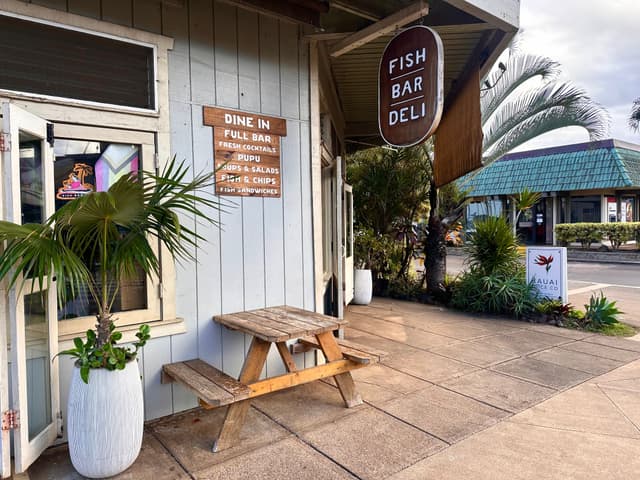
Kōkeʻe Lodge. Photo by Sarah Burchard.
Kōkeʻe Lodge was founded in 1950 and includes a a farm-to-table restaurant (with free WIFI), full bar, gift shop, café and cabins. According to the website, the restaurant works with more than 50 local farmers, fishers and purveyors. Visit the lodgeʻs Intagram page @kokee.lodge to see what Executive Chef Samson Arzamendi is cooking each month. Menus are usually shared 3–4 weeks in advance and reservations are strongly recommended.
Cabins come in a variety of sizes, mostly sleeping two to four people, and include wood-burning stoves for staying warm — kiawe and pine firewood is available for purchase at Kōkeʻe Lodge. There is no cell phone service or WIFI in the cabins. There is also a communal BBQ grill area and each cabin comes with a fully stocked kitchen.
Kōkeʻe Lodge is open Monday through Friday 10 a.m. to 4:30 p.m., Saturday and Sunday 9:30 a.m. to 4:30 p.m. 3600 Kokee Road, Waimea, Hawaii 96796. Wheel Chair Accessible. Reservations for the restaurant and cabins can be made at kokeelodge.com

Kōkeʻe State Park. Photo by Sarah Burchard.
Kōkeʻe State Park is a place of profound natural and cultural significance. Visiting responsibly ensures that it remains accessible and intact for generations to come. Here is what you need to know before you go.
Stay on Marked Trails: Staying on designated trails is both a safety requirement and an act of respect. Going off trail damages Kauaʻi's fragile native ecosystem, which can take decades to recover from foot traffic. In the Hawaiian tradition, the land is sacred, and treading carefully is a matter of cultural as much as environmental responsibility.
Flash Flood and Weather Awareness: Kōkeʻe sits in one of the wettest regions on Earth, with much of its rainfall originating from the nearby summit of Mount Waiʻaleʻale. Even when skies look clear at the trailhead, heavy rain can be falling miles away, sending water rushing through stream crossings and low-lying trails with little warning. Weather in the park can shift quickly bringing wind and rain within minutes. If you are hiking near streams or canyon edges, pay close attention to conditions and be prepared to move to higher ground. Do not attempt to cross streams that are running high or fast.
Leave No Trace: Do not remove anything from the park, including rocks, plants, flowers or soil. This is not only a matter of environmental protection but also Hawaiian law and tradition. Leave everything exactly as you found it.
Wildlife: Do not feed any animals, including the nēnē, Hawaiʻi's endangered state bird, which is sometimes spotted within the park. Feeding wildlife disrupts their natural behavior, makes them dependent on humans and can be harmful to their health. Observe animals from a respectful distance and never attempt to approach or touch them.
Biosecurity — Clean Your Shoes: Kōkeʻe's native forests are under constant threat from invasive species introduced on footwear and gear. Before hitting any trail, clean your shoes at the designated stations located at trailheads. This simple step helps prevent the spread of invasive plants, fungi and pathogens that can devastate native ecosystems.
A Note on Cultural Respect: Kōkeʻe sits on land that has been sacred to Native Hawaiians for centuries. The forests, streams and peaks of this region are woven into the history, mythology and identity of Kauaʻi. The park takes its name from the Hawaiian word meaning "to bend" or "to wind," a fitting description for a landscape full of winding trails and shifting weather. Approach your visit with humility and gratitude.

Kōkeʻe State Park on a sunny day in February. Photo by Sarah Burchard.
Kōkeʻe is worth visiting year-round, but the experience shifts considerably with the season.
Summer: Warmer temperatures, more stable weather and the park's busiest crowds. During this season you'll want to arrive early to secure parking.
Winter: Cooler, wetter and quieter. Rainfall can reduce visibility at the lookouts, but it also deepens the green of the canyon and fills the streams.
Spring and Fall: Mild temperatures, less crowds and generally good conditions for hiking.
If you are staying overnight in one of the cabins or camping, come prepared for cold nights regardless of the season. Above 3,000 feet, temperatures drop quickly after sunset, and the forest takes on an entirely different character after dark — still and very quiet, with remarkable stargazing on clear nights, as the park sits well away from the light pollution of the coast.

Kalalau Lookout. Photo by Sarah Burchard.
A half day gives you time to drive the road, stop at the lookouts and grab a bite.
A full day gives enough time for hike or two, to visit the museum and enjoy a more relaxed pace overall.
Stay overnight in a cabin or at a campsite if you want to experience the park at dawn or after the day-trippers leave.
Dress in layers. It may be warm on the coast when you leave, but temperatures at Kōkeʻe run significantly cooler and conditions can change fast.
Bring a light rain jacket
Wear comfortable closed-toe shoes for hiking
Kōkeʻe is a great destination for families. The lookouts are accessible and impressive, the museum is small and engaging and there are several quick trails manageable for young hikers. Pack snacks, dress kids in layers and keep a close eye on little ones near canyon overlooks.
The main road, lookout points and picnic areas are accessible by car. Most of the hiking trails, however, involve uneven terrain, roots and elevation changes that make them challenging for those with limited mobility. The Kōkeʻe Natural History Museum is a worthwhile stop and is accessible without a hike.
Always check DLNR reports before arriving - Extreme weather conditions may lead to park closures. They will also have updates about ongoing road work and closures in the area.
All camping permits must be paid for prior to visiting the park.
If you are scuba diving during your visit to Kauaʻi, you should wait at least 24 hours before visiting the park due to its elevation.
You must bring your own water. Water is not potable here.
You may not use drones in the park.
See all
Join our newsletter for travel inspiration, insider tips and the latest island stories.
By subscribing, you agree to receive emails from Hawaii.com. You can unsubscribe anytime. See our Privacy Policy.