By Stephanie Namahoe Launiu
20 March, 2026

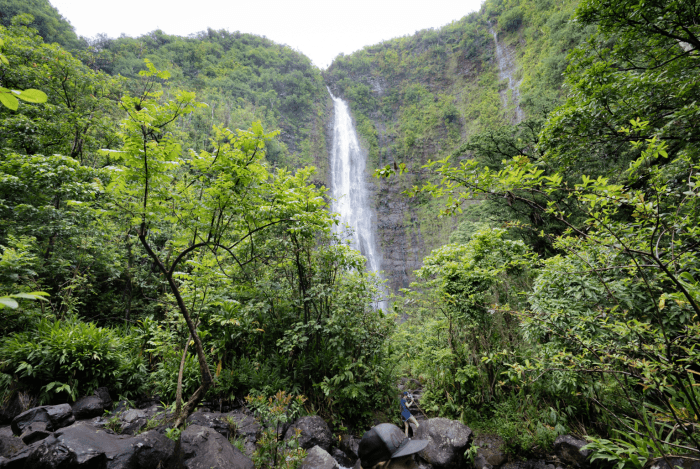
View from top of the Maui waterfalls, one of the famous bridges on the Road to Hana. Photo courtesy of Shutterstock.
This article was originally published on April 10, 2025, and was updated March 20, 2026.
Maui isn’t short on exciting experiences. From white and black sand beaches, a dormant volcano you can summit at sunrise, lush mountains begging to be explored, and turquoise waters that double as winter whale nurseries there are adventures around every turn.
With a little planning, every day can be packed with awe. Want to hike through a bamboo forest? Snorkel with sea turtles? Cool off under a waterfall? Wherever you go, Maui’s natural wonders set the stage for an unforgettable escape. Here are the top seven things to do in Maui for the ultimate adventure.

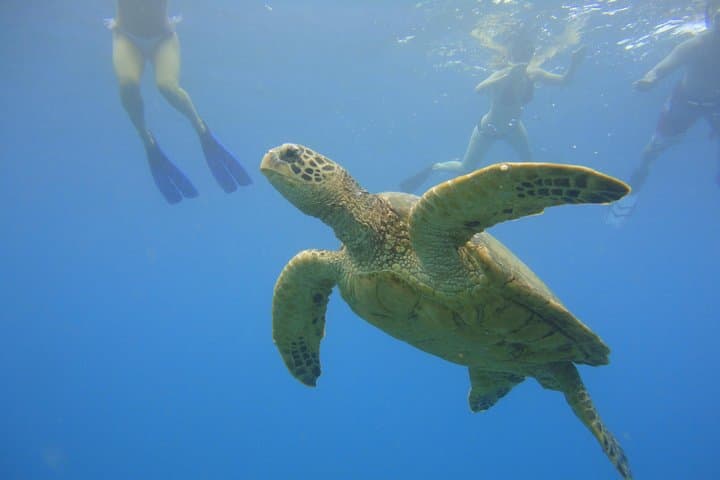
Hawaiian green sea turtle.
Nicknamed Turtle Town, Mākena’s Maluaka Beach is one of the best places in Maui to spot green sea turtles. Just 200 yards offshore, a vibrant reef teems with life — parrotfish, octopuses, barracuda and even manta rays glide through these waters. And yes, you’re almost guaranteed a turtle sighting.
For a more intimate and eco-friendly experience, skip the big boats. Join a guided kayak tour and paddle out. You’ll get closer to nature and earn those views.
Book a snorkeling tour at Maluaka Beach (Turtle Town)
Launch from Mākena Landing
Paddle for 15–20 minutes to reach Turtle Town and snorkel with green sea turtles — always staying at least 10 feet away, per state law
Morning tours have calmer water and better visibility.
Tours include all gear but pack reef-safe sunscreen and water shoes
If you’re hungry afterward, there’s usually a food truck in the parking lot. But just a couple miles away is Monkeypod Kitchen and many more restaurants in Wailea.
See all

View towards Kahului from the Waiheʻe Ridge Trail. Photo by Sundry Photography via Shutterstock.
Tucked in Central Maui, the Waiheʻe Ridge Trail is a must for hikers craving sweeping views and lush scenery. This 2.5-mile climb takes you 1500 feet up, through a misty Cook pine forest, past the tiered Makamaka‘ole Falls, and along the edge of the Waihe‘e Valley, with panoramic vistas of Haleakalā and the coastline below.
Drive to the trailhead via Kahekili Hwy or Book a Private Hiking Tour
Hike 5 miles roundtrip through forest, ridges and valley overlooks
Enjoy the view
Go early — the parking fills up by 9 a.m.
Expect mud and slick, slippery spots — trekking poles help
Bring water, snacks or a light lunch
There are parts of the hike without shade. Plan accordingly with sunscreen, a hat and layers
See all

Cliff Jumping in Hawaiʻi. Photo courtesy of Shutterstock.
One of Maui’s most legendary ali‘i (high chiefs), Kahekili ruled from around 1766 to 1793 and was revered for his mastery of lele kawa — cliff diving. According to oral history, he would hurl himself into the sea from heights as dizzying as 300 to 400 feet, earning both fear and admiration.
His most famous leap was from Pu‘u Keka‘a, now known as Black Rock in Kā‘anapali. Once believed to be a sacred pathway for spirits, while others hesitated, Kahekili’s daring dives cemented his status among the warriors and storytellers.
Every evening at sunset, following the sound of the pū (conch shell), a diver from the Sheraton Maui Resort & Spa leaps from the top of the rock into the ocean, symbolizing the great chief’s dives, as torches are lit for the night to honor the souls of the departed. This has been a tradition of the resort since it opened in 1963.
*WARNING* Climbing and jumping off of rocks is extremely dangerous. For skilled divers, familiar with this area only. Best to watch from the shore.
Go to Kaʻanapali Beach before sunset, head north to Pu‘u Kekaʻa (Black Rock).
Climb up the lava rock (there’s a worn path).
Jump from ~15 feet into clear water below.
Only jump when the water is calm.
Don’t dive — jumping feet-first is the safest.
Watch others do it before taking the plunge.
Always listen to locals, if they say it is not a good day to jump, listen.
See all
See all

O’heo Gulch (Seven Sacred Pools), Maui. Photo courtesy of Shutterstock.
Tucked on the remote eastern tip of the island, Hāna is a quiet town of just 1,500 residents. It’s peaceful, secluded and steeped in Hawaiian history. But the magic isn’t just in reaching Hāna, it’s in the road that takes you there.
With over 600 curves and nearly 60 one-lane bridges, the Road to Hāna is an exhilarating 64-mile journey through lush rainforests, beautiful beaches and towering waterfalls. Tours take you safely down the road, stopping to explore along the way.
Marvel at natural wonders such as Twin Falls, Garden of Eden, Wailua Overlook, Waiʻānapanapa Black Sand Beach and the Pipiwai Trail.
Pack snacks, water, cash and motion sickness meds (for the winding road).
Take a tour versus driving the road yourself. This way you can take photos along the way. Less cars on the road also mean less traffic.
See all

Haleakalā at sunrise. Photo courtesy of Shutterstock.
If you’re looking for an unforgettable Maui adventure, a tour of Haleakalā National Park should be on your bucket list. Towering over 10,000 feet above sea level, this dormant volcano offers otherworldly landscapes, panoramic views of the West Maui Mountains and the dramatic Koʻolau Gap — a dream for hikers, photographers and nature lovers.
The park’s network of trails suits every skill level, from easy walks to challenging backcountry treks. For the full experience, camp overnight and stargaze beneath crystal-clear skies. And don’t miss the summit sunrise— it’s worth the early wake-up call.
Haleakalā is also home to rare species like the nēnē (Hawaiian goose) and the silversword plant, found nowhere else on Earth. Stop by the Visitor Center to learn about the park’s unique ecology.
Book a Tour for the best experience.
Reservations are required for sunrise visits (3:00–7:00 a.m.) and must be made in advance at Recreation.gov. Tickets are not available first-come, first-served at the park or entrance station.
The entrance fee is $30 per vehicle, valid for three consecutive days and covering both the Summit and Kīpahulu districts. The sunrise reservation is an additional $1 per vehicle, purchased separately on Recreation.gov. Note that the park is entirely cashless — credit or debit card only.
For sunrise, plan to arrive at least 30–60 minutes before the sun comes up.
For sunset, arrive 45–60 minutes early to secure a good spot.
Daytime hiking is also a great way to experience Haleakalā and is the least crowded time of day.
Dress warm. Temperatures at the summit can drop into the 30s or lower, especially before sunrise and with wind chill. Pack layers, a jacket, hat and gloves regardless of the season.
Pack water and snacks. There is no food available at the summit. Pack a headlamp or flashlight for early or late visits, and be aware that cold temperatures drain phone and camera batteries faster than usual.
See all

Molokini Crater, Maui. Photo courtesy of Shutterstock.
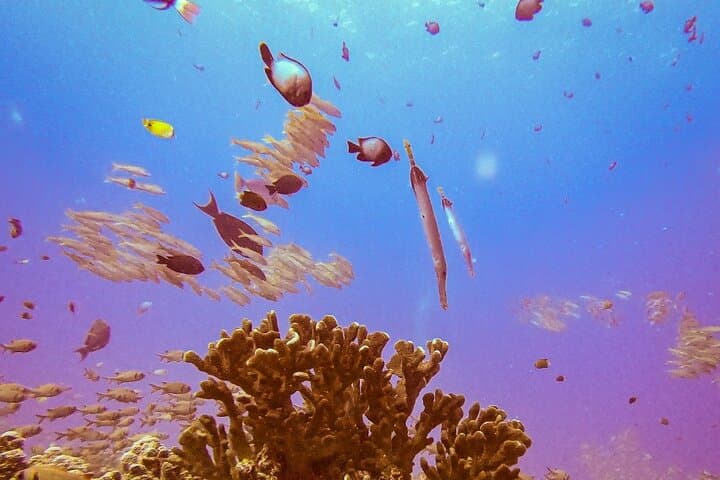
For an unforgettable underwater adventure, book a snorkeling tour to Molokini Crater. This crescent-shaped, partially submerged volcanic crater is a protected marine sanctuary, home to vibrant coral reefs and an explosion of tropical marine life.
Just a short boat ride from shore, Molokini offers some of the clearest waters in Hawai‘i, with visibility often exceeding 100 feet. Tours include gear and expert guidance to lead you safely through Maui's waters. In these turquoise depths, you might spot Hawaiian parrotfish, Maui butterflyfish and the occasional sea turtle gliding by (stay at least 10 feet from these endangered turtles at all time). Because Molokini is ecologically fragile, all visitors are asked to follow preservation guidelines to help protect its thriving ecosystem.
Visit Molokini, stopping by Turtle Town or Molokini Back Wall (if you are scuba diving) along the way.
Choose early morning tours for calmer seas.
You need to be certified if you want to scuba. Check with your tour provider for beginner or discovery dive options.
Bring a GoPro or underwater camera.
See all

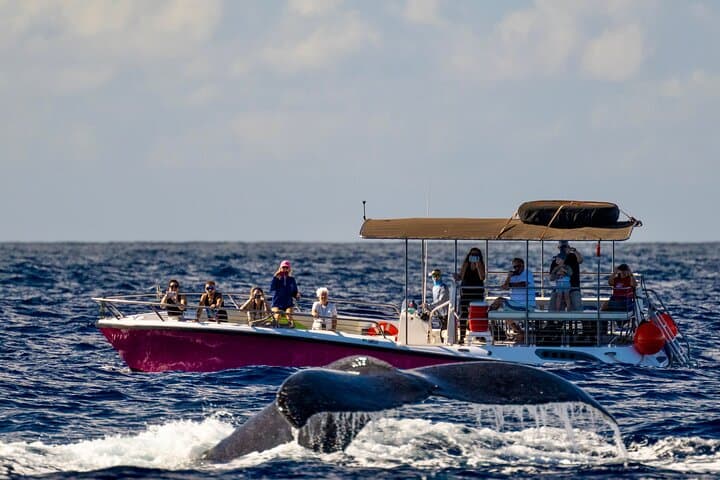
Photo courtesy of Shutterstock.
Maui is renowned for its whale-watching opportunities, with humpback whales migrating to the island’s warm waters from December to May. A whale-watching excursion is a thrilling way to witness these majestic creatures up close and learn about their fascinating behaviors.
Tour guides provide insightful commentary on the whales’ biology and behavior, enhancing your appreciation for these gentle giants. You’ll have the chance to see mothers and calves, as well as other marine life like sea turtles and tropical fish.
Plan to visit mid-December to early April for the best chance at a whale sighting.
Bring binoculars and a waterproof jacket.
Some tours let you listen to whales singing via hydrophones.
If this is your first visit to Maui, take note of some general recommendations.
Always hike, snorkel and swim with a partner or friends.
Let somebody know where you’re going and when you’ll be back.
If a sign says “Kapu,” it means DON’T go there or you’re already somewhere you’re not supposed to be.
Fully charge your cell phone and bring a portable charger.
Carry some cash. We recommend $100 depending on where you’re going. Debit or credit cards don’t always work.
Bring water in a reusable container and stay hydrated.
Binoculars and a GoPro enhance the experience.
Don’t be afraid to ask for directions or help.
Local Tip:
When you need a break from the beach or sun, consider visiting Maui Ocean Center at Mā’alaea Harbor. It features educational exhibits on Hawaiʻi’s marine life, including fish, mammals and coral, as well as a 3D humpback whale experience.
See all
Join our newsletter for travel inspiration, insider tips and the latest island stories.
By subscribing, you agree to receive emails from Hawaii.com. You can unsubscribe anytime. See our Privacy Policy.