
Home
/Blog & guides
/What Is a Lūʻau? The History and Cultural Evolution of Hawaiʻi's Most Famous Celebration

By Sarah Burchard
20 May, 2026
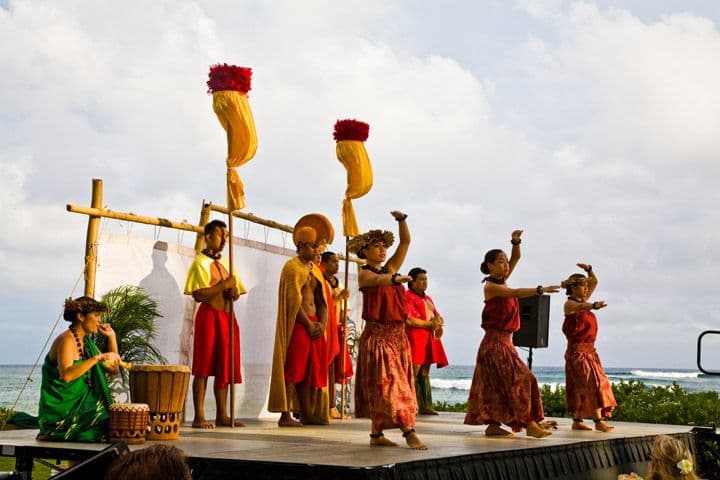
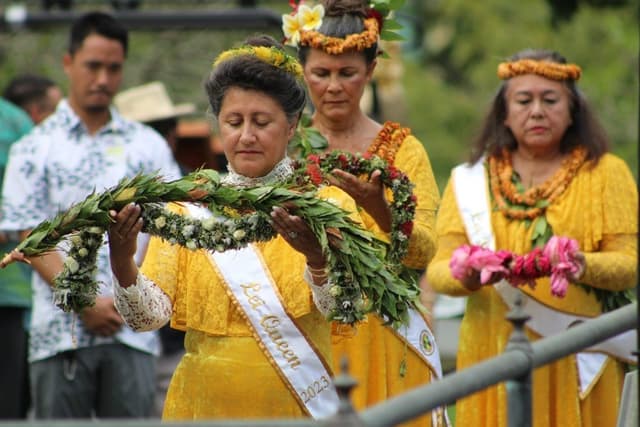
Royal court and hula dancers at the Sheraton Kauaʻi lūʻau. Photo by Tor Johnson.
This article was updated May 20, 2026
The word lūʻau refers to the tender leaf of the kalo, or taro, plant in Hawaiian. So why do we think of a hula show with live music and a buffet of Hawaiian dishes when we hear it?
The lūʻau you attend on your Hawaiʻi vacation — with its torchlit beachfront setting, mai tais and fireknife dancers — bears little resemblance to the ʻahaʻāina, or sacred ceremonial feast, from which it descends. But look closely enough and the throughline is still there: food as communion, performance as storytelling and the gathering of people around a shared table. This is the story of how one of Hawaiʻi's most sacred traditions became its most popular tourist attraction, and what it means for a culture when its rituals become someone else's entertainment.
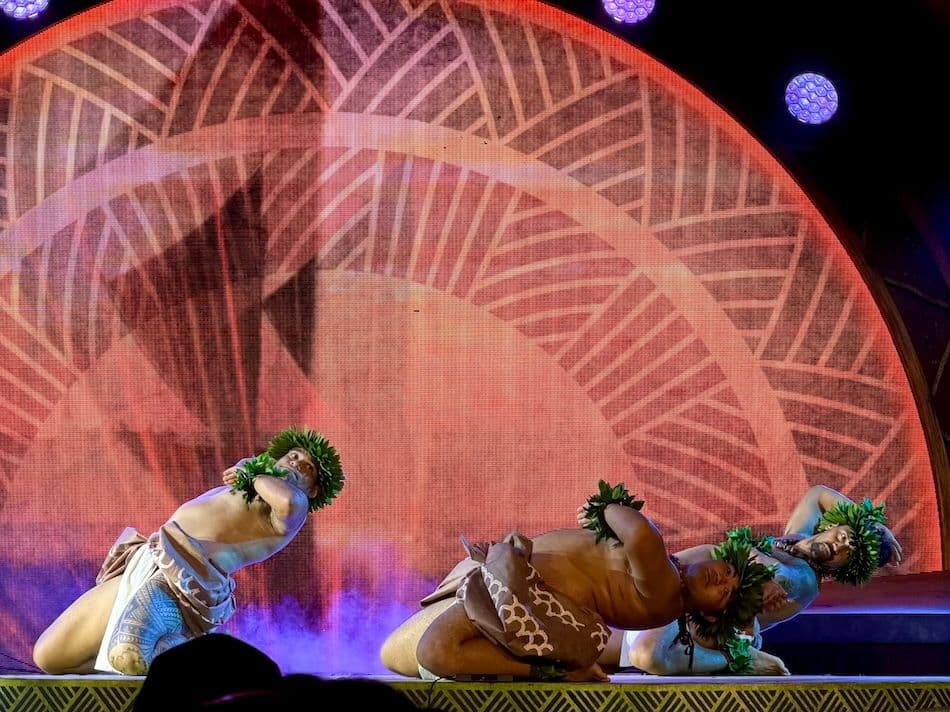
Kaula Lūʻau. Photo by Sarah Burchard.
Until the mid-1800s, small gatherings in Hawaiʻi were called pāʻina and large banquets — the equivalent of today's lūʻau — were referred to as ʻahaʻāina. These root words mean, among other things, "gathering" (ʻaha) and "eating" (ʻāina).
Local records show the word "lūʻau" was first used publicly to describe the ʻahaʻāina in 1856, in the pages of the Pacific Commercial Advertiser, the weekly predecessor of what would later become the Honolulu Advertiser. Lūʻau leaf, cooked down into a rich, soupy stew, remains a staple of the lūʻau menu to this day, which is perhaps how the feast came to share its name with the plant.
Much had changed by then. Women and men were permitted to eat together, which had been forbidden under the kapu system — Hawaiʻi's ancient code of sacred laws and taboos — until its abolition in 1819. Women were also now allowed to eat foods once denied them, including bananas, coconuts, pork and several types of fish.
As Christianity spread through Hawaiʻi in the 19th century, the lūʻau shed its ancient ritual roots and became more commonly a chance to relax and enjoy family and friends over good food and music. That spirit persists in nearly every aspect of life in Hawaiʻi today. One of the most dutifully observed local traditions is the baby lūʻau — a huge celebration held on a child's first birthday. Lūʻau are also thrown for graduations, class reunions and other milestone events.
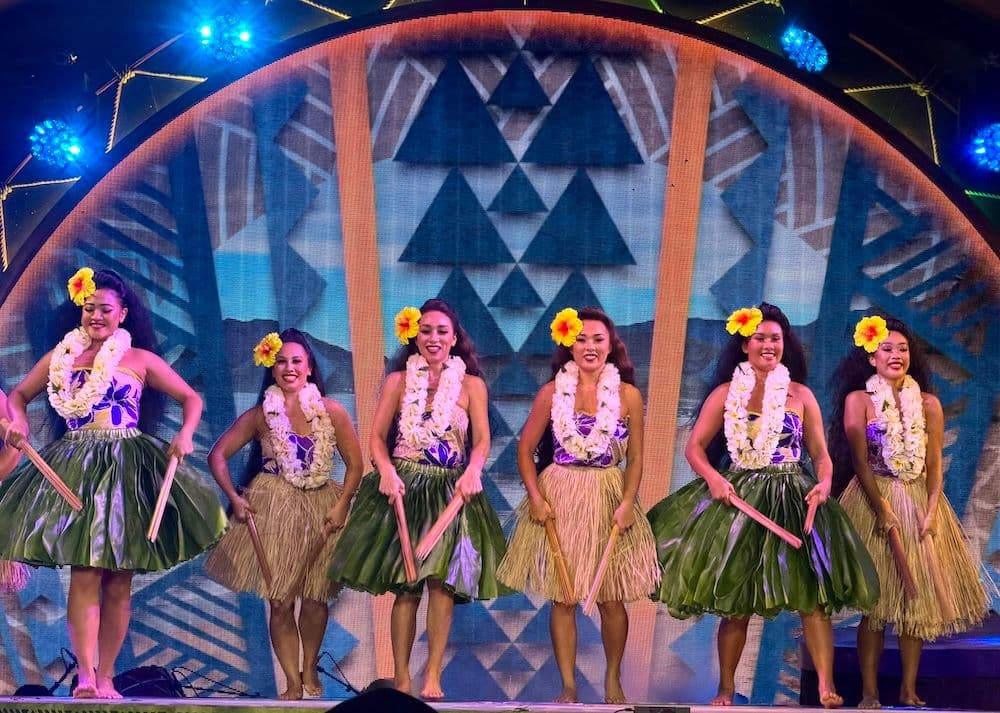
Kaula Lūʻau. Photo by Sarah Burchard.
Commercial lūʻau accelerated rapidly in the mid-20th century with the boom of Hawaiʻi's tourism industry, transforming complex cultural rituals into a standardized format of buffet dining and stage shows. The Big Band and Elvis eras brought a new aesthetic to the lūʻau, introducing emcees, "hapa haole" music, cellophane skirts and coconut bras, designed more to entertain tourists than to honor tradition.
The results were predictable. By the late 20th century, the commercial lūʻau had become a caricature of itself in many venues — a formulaic production that bore little connection to the ʻahaʻāina from which it descended. But a growing movement within Hawaiʻi's cultural community has been pushing back, reclaiming the lūʻau as a vehicle for genuine storytelling, education and cultural pride.
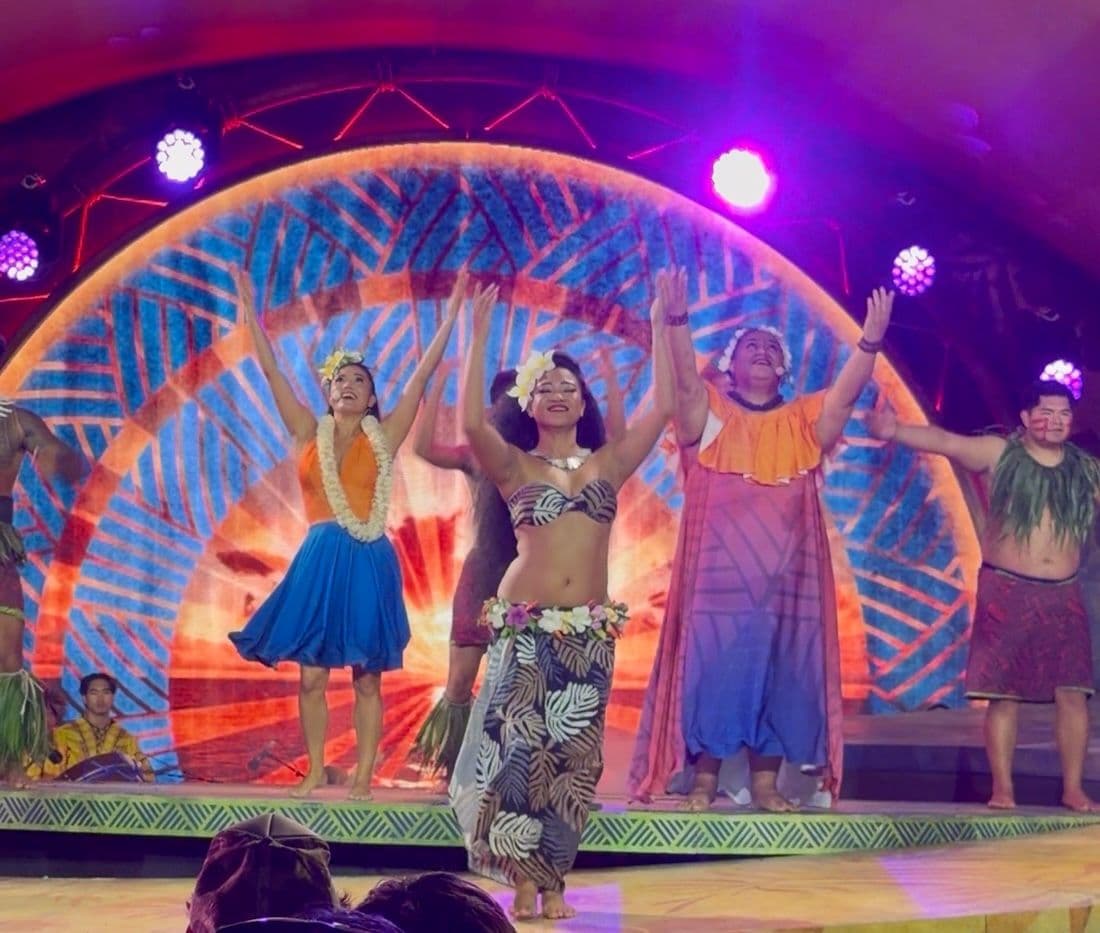
Kaula Lūʻau. Photo by Sarah Burchard.
The lyrical hula dance — now referred to as the ancient, or kahiko, style — was traditionally accompanied by chants, or mele, to honor the gods. Today it is performed both for entertainment and to preserve and honor tradition. A more modern style, called ʻauana, has grown in popularity since the 1970s, when a renaissance of Native Hawaiian culture began. Both styles are typically performed at a lūʻau, alongside Tahitian and Samoan dance styles — a reflection of the belief that Tahiti and Samoa are ancestral homelands of the Hawaiian people.
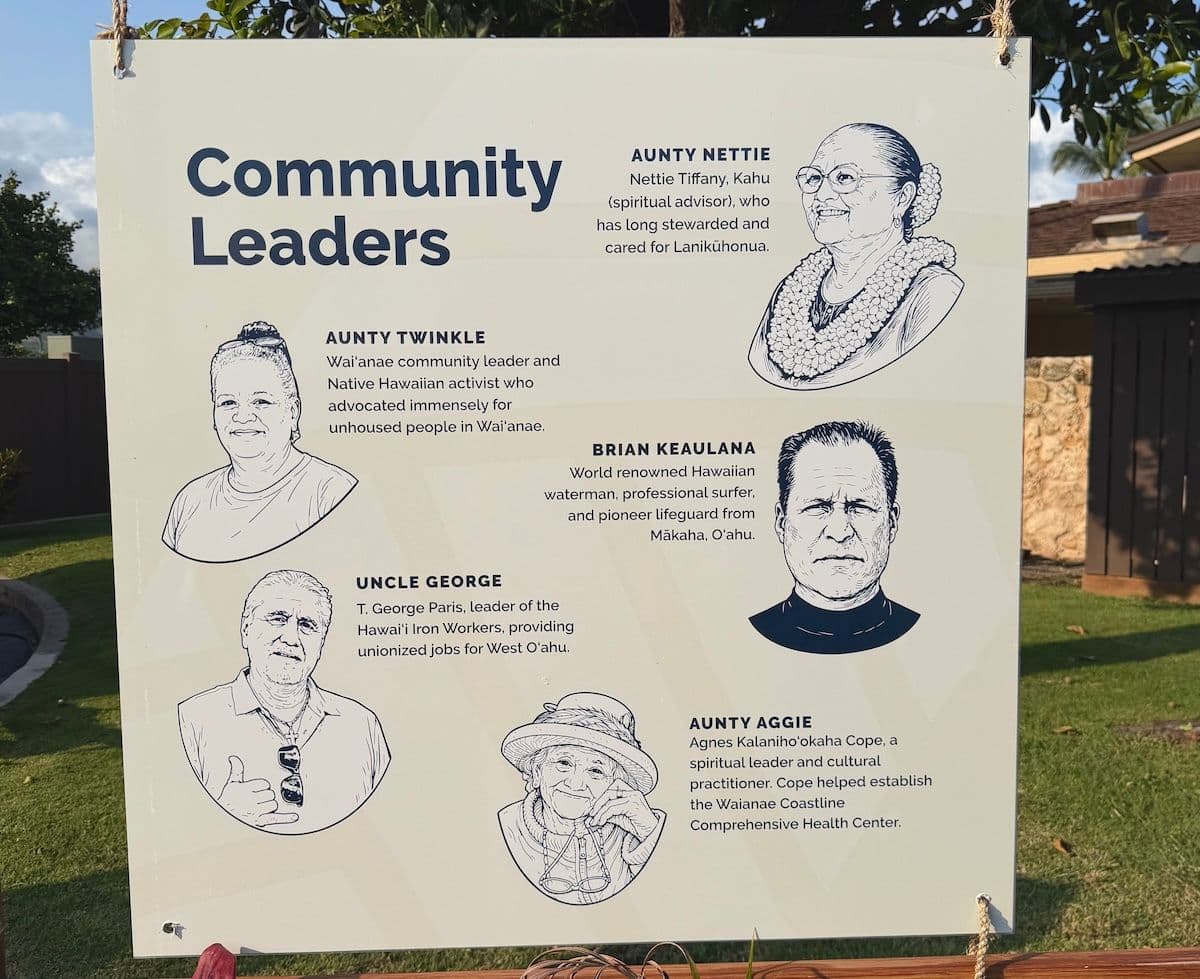
At Kaula Lūʻau, food trucks are named after West Oʻahu community leaders. Photo by Sarah Burchard.
Although some lūʻau menus have evolved to include green salad, teriyaki chicken and macaroni salad, traditional dishes remain central to most events. Here is what you are likely to find:
Kalua pork: A whole pig roasted underground in a handmade pit called an ʻimu — the centerpiece of nearly every lūʻau.
Lomi lomi salmon: Preserved salmon diced with tomatoes and onions in a preparation similar to salsa.
Huli-huli chicken: Barbecue chicken cooked on a rotating spit.
Haupia: A coconut custard with a consistency similar to Jell-O.
Laulau: Pork and fish bundled with kalo, or taro, leaves and steamed in tī leaves.
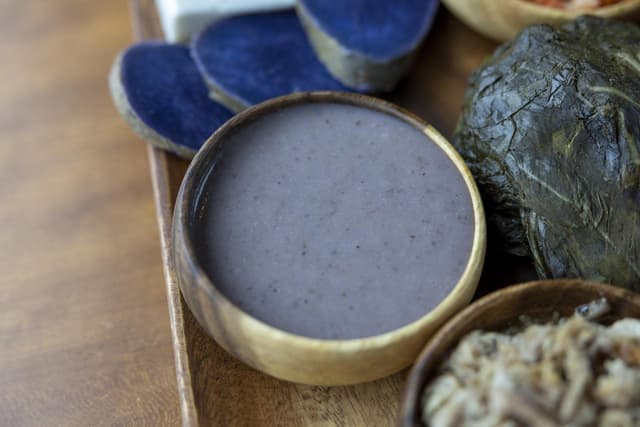
Poi: Kalo root mashed with water into a pale purple paste — the starch staple of the traditional Hawaiian diet.
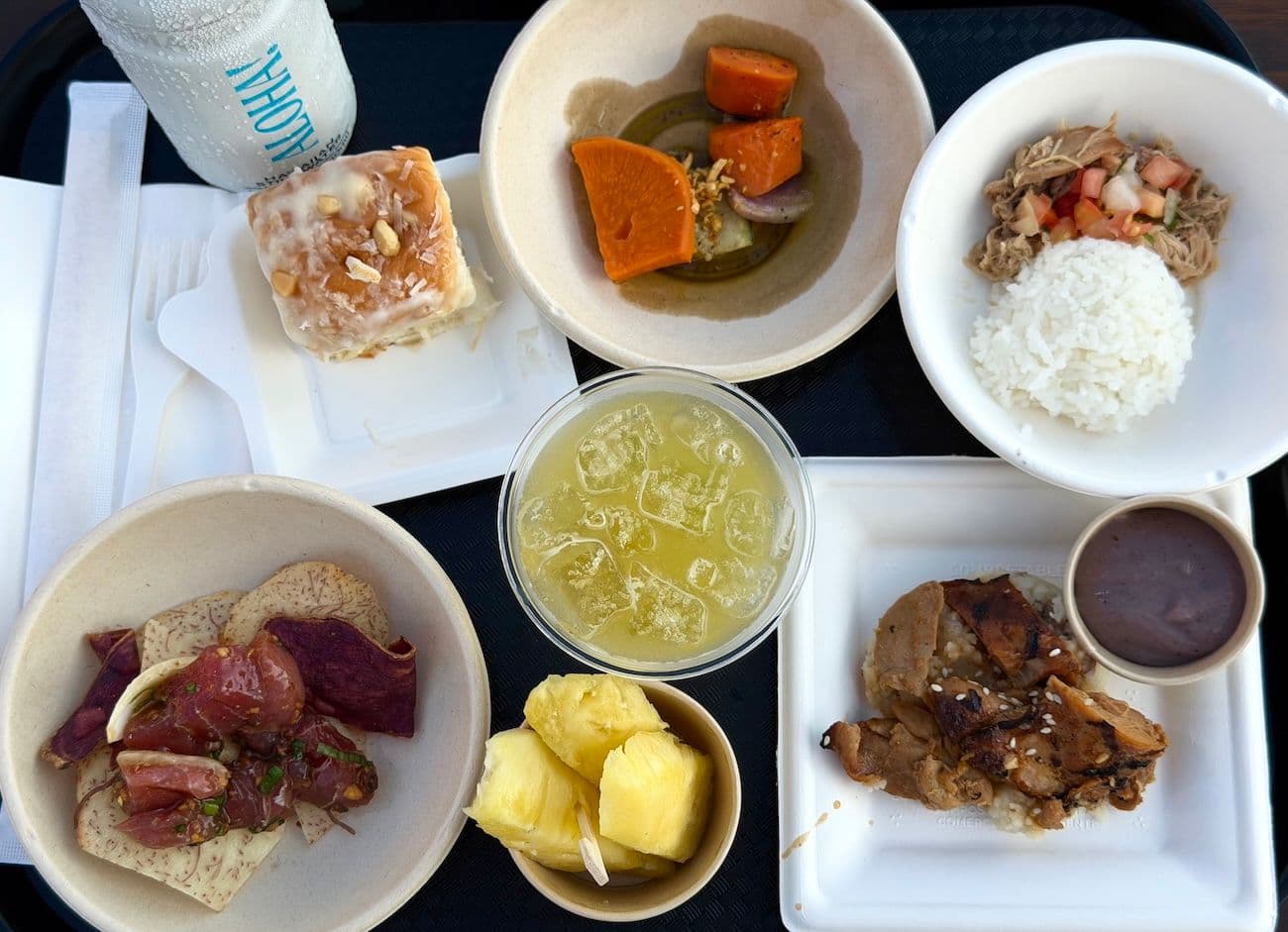
Moani popo (sweet bread with haupia and mac nuts), sweet potato, kalua pork with lomi lomi and rice, poke with taro chips, pineapple, huli-huli chicken and poi at Kaula Lūʻau. Photo by Sarah Burchard.
In March 2026, the Hawaiian Council debuted Kaula Lūʻau, a modern production located on a new state-of-the-art stage at Ocean's Edge at Ko Olina Resort on Oʻahu. The show seeks to balance cultural education with entertainment by highlighting the shared heritage of Hawaiʻi, Tahiti and Samoa. To me, it represents the most ambitious reimagining of the lūʻau format I have seen so far.
The show is produced by Kipe Ebana, who has been competing at the Merrie Monarch Festival and producing lūʻau performances in Hawaiʻi for 40 years. To move beyond the generic commercial lūʻau format, Ebana assembled a core creative team of culturally grounded collaborators. Tiana Nonosina Liufau, widely recognized for her choreography work on Disney's "Moana," served as cultural adviser for the Tahitian and Samoan elements of the production. Storywriter and actor Moses Goods, known for his work on "Chief of War," helped write the show's narrative, working closely with Ebana to strike the right balance between education and entertainment. Aerialist and Samadhi Hawaii owner Andrea Torres was brought on to incorporate aerial acrobatics directly into the performance — a first for any lūʻau I've seen in Hawaiʻi.
"I'm really wanting to make sure that we're culturally sound," Ebana said.
While some elements of Kaula Lūʻau will be familiar to anyone who has attended a standard hotel lūʻau, such as the headliner fireknife dancers and pre-show activities teaching guests about traditional Hawaiian customs including hula, drumming and tattooing, the production pushes the format significantly further. Instead of a buffet, diners pick up a variety of dishes from five food trucks, each named after a prominent member of the West Oʻahu community. Costumes are elaborate and incorporate real flowers, a luxury many productions cannot afford. The music and choreography feel fresh and contemporary, with some drum sequences and movement that seemed influenced by hip-hop. And then there is the aerialist.
To maintain cultural integrity, the creative team incorporated traditional Hawaiian moʻolelo, or stories, Samoan tattooing practices, Polynesian wayfinding and chanting throughout the show. The narrative follows a conversation between a young girl and her kūpuna, or grandmother, who teaches the girl about her ancestry through stories that unfold in song and dance — much like a musical. One of the moʻolelo is the story of the illegal overthrow of the Hawaiian monarchy and the imprisonment of Queen Liliʻuokalani. Another first for the commercial lūʻau.
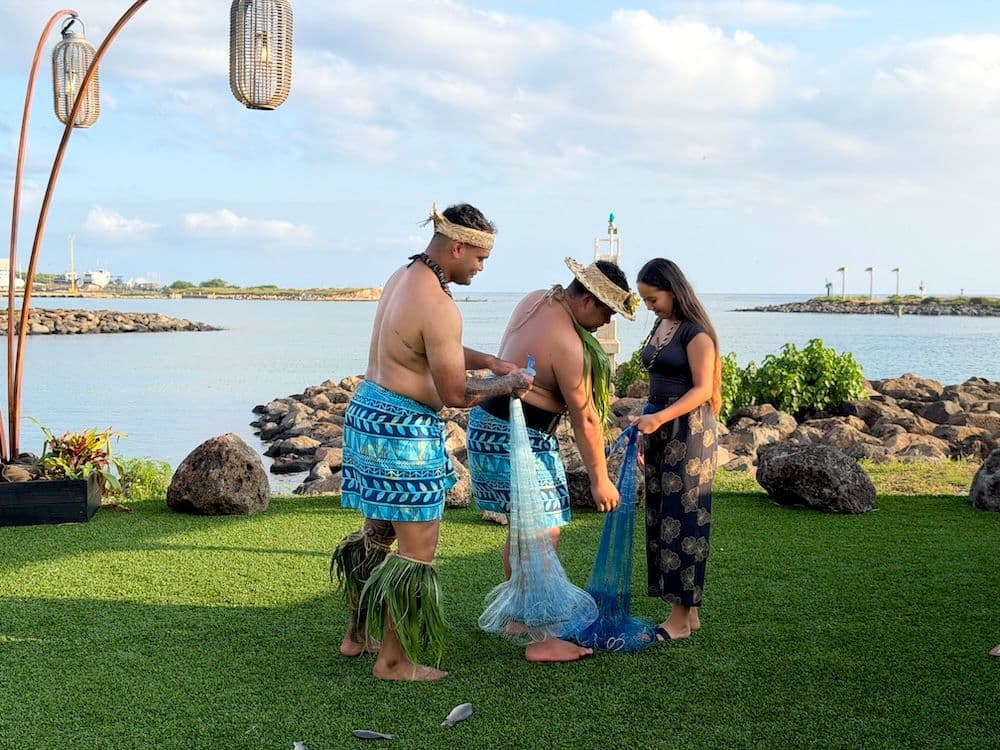
Throwing net: One of the cultural activities at Kaula Lūʻau. Photo by Sarah Burchard.
1819: The kapu system is abolished, allowing Kamehameha II and his mother Kaʻahumanu to eat together publicly for the first time. The act opens communal dining to all men and women across the islands. Elevated ceremonial feasts are called ʻahaʻāina.
1856: The word "lūʻau" is popularized as a term for Hawaiian feasts after appearing in the Pacific Commercial Advertiser.
Late 1800s to early 1900s: The lūʻau shifts from a community gathering to a commercial production hosted at hotels for visiting guests.
Mid-20th century: The commercial lūʻau industry accelerates during the Big Band and Elvis eras. Organizers begin adding "hapa haole" music, emcees, cellophane skirts and coconut bras to appeal to tourists.
1970s: A renaissance of Native Hawaiian culture sparks renewed interest in traditional hula, chant and the cultural roots of the lūʻau.
March 2026: Kaula Lūʻau debuts at Ko Olina Resort, representing a new generation of culturally driven lūʻau production.
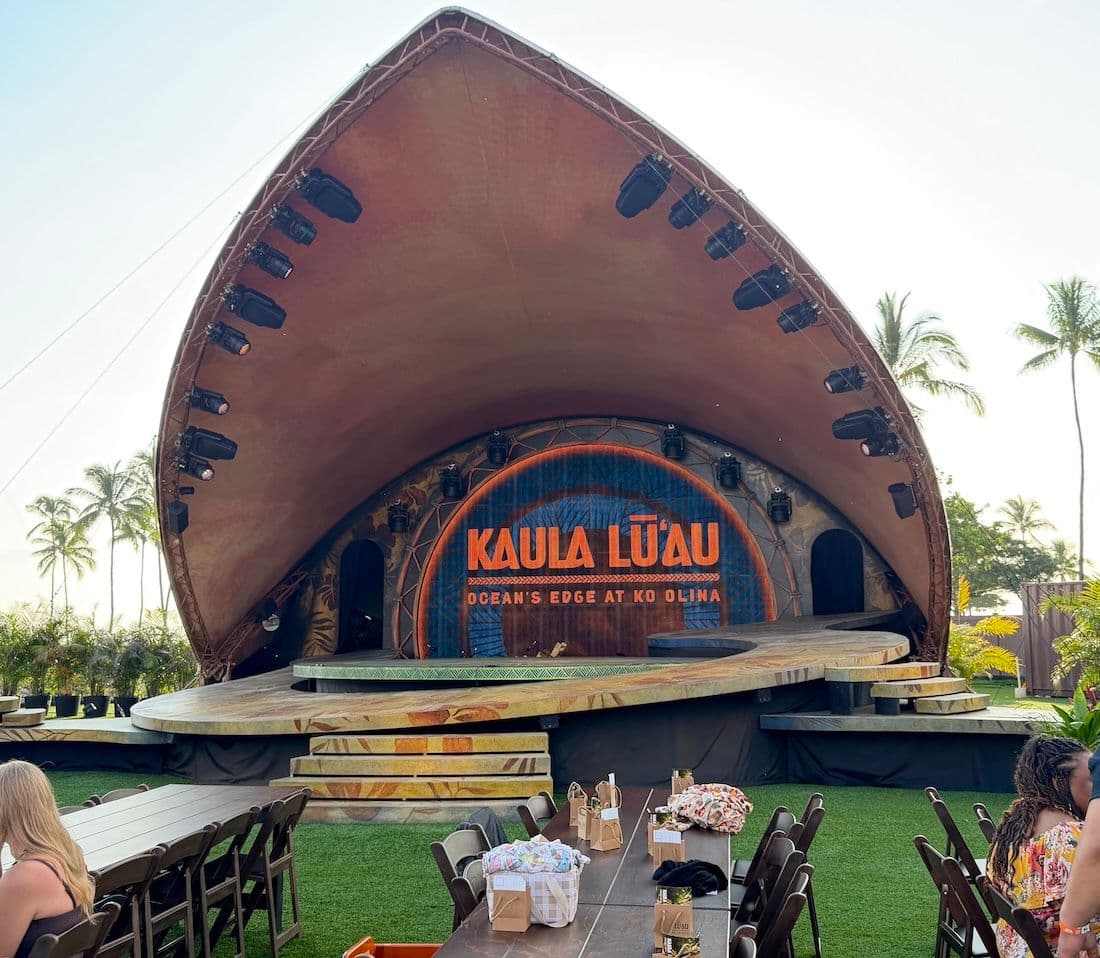
Photo by Sarah Burchard.
The lūʻau has always been a living tradition, one that has survived suppression and found ways to remain meaningful across vastly different eras of Hawaiian history. From the sacred ʻahaʻāina of pre-contact Hawaiʻi to the torchlit resort spectacles of the 20th century to the culturally ambitious productions emerging today, the lūʻau continues to evolve. What remains constant is the intention to gather, share food and tell stories. Whether you attend a simple family celebration or a professionally produced show, you are participating in one of the oldest and most resilient traditions in the Pacific.
This article was originally published Dec. 15, 2004 and updated May 20, 2026. The reporter was hosted by Hawaiian Council/Kaula Lūʻau for the purposes of this story. Mahalo nui to Kamuela Yim for sharing your manaʻo.
Join our newsletter for travel inspiration, insider tips and the latest island stories.
By subscribing, you agree to receive emails from Hawaii.com. You can unsubscribe anytime. See our Privacy Policy.