These are the snorkeling sites that come up in every Hawaiʻi conversation. Each earns its reputation for a specific reason — here's how to decide which one belongs on your itinerary.
Hanauma Bay, Oʻahu
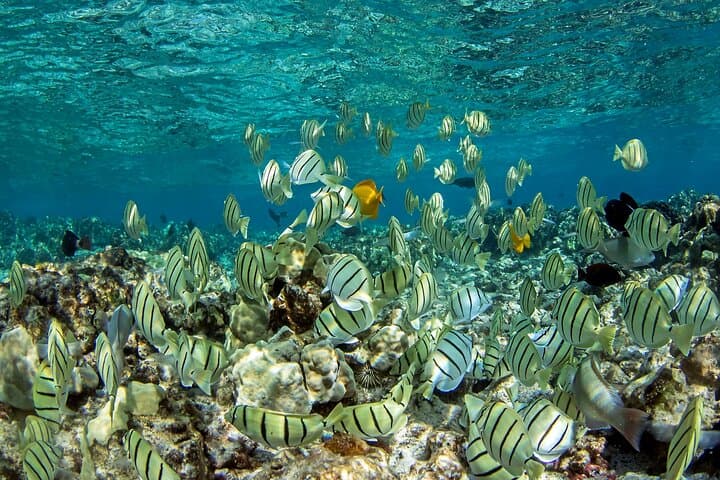
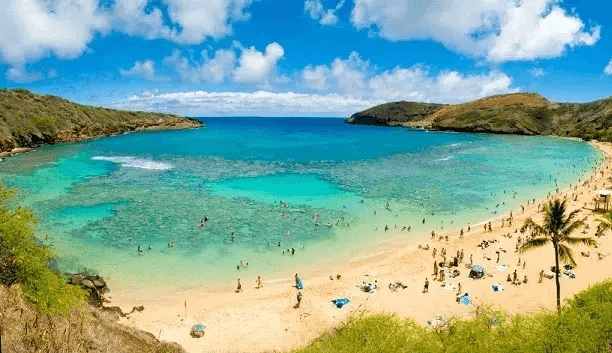
The best-managed beginner snorkeling experience in the state. A protected marine reserve with more than 400 fish species, mandatory marine orientation video, lifeguards and calm, shallow water throughout most of the bay. Non-resident reservations are required and sell out days in advance, so book your reservation before you arrive on Oʻahu. Best for first-timers, families and anyone who wants a thorough introduction to Hawaiian reef snorkeling.
Kealakekua Bay (Captain Cook Monument), Hawaiʻi Island
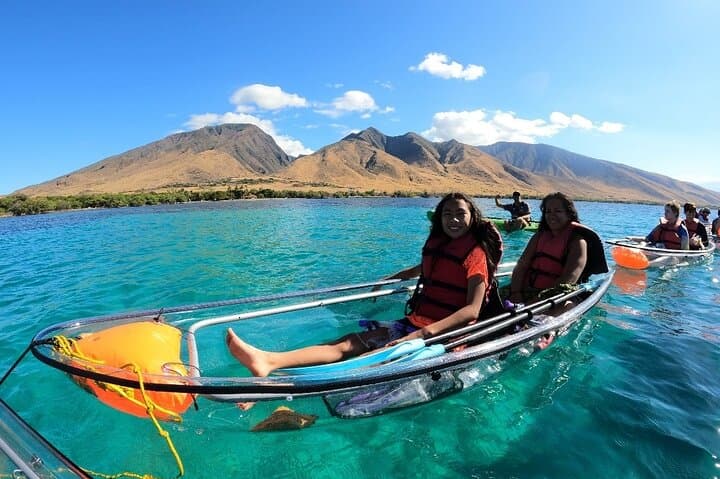
Crystal clear water with visibility exceeding 100 feet in a Marine Life Conservation District. Spinner dolphins are a regular presence. Getting here requires either a 1,300-foot descent on the Captain Cook Trail, a kayak rental or a boat tour. Worth every bit of the effort for intermediate to advanced snorkelers. Not appropriate for beginners or anyone looking for easy shore access.
Two Step, Hawaiʻi Island
A lava ledge entry at Hōnaunau Bay adjacent to Puʻuhonua o Hōnaunau National Historical Park for confident snorkelers. Exceptional fish diversity and frequent sea turtle sightings. The "two step" refers to the natural lava shelves that serve as entry and exit points. No lifeguard, no sandy entry — skip it if you're not comfortable on lava rock. One of the best free snorkeling sites in Hawaiʻi for those who are.
Maluaka Beach and Makena Landing (Turtle Town), Maui
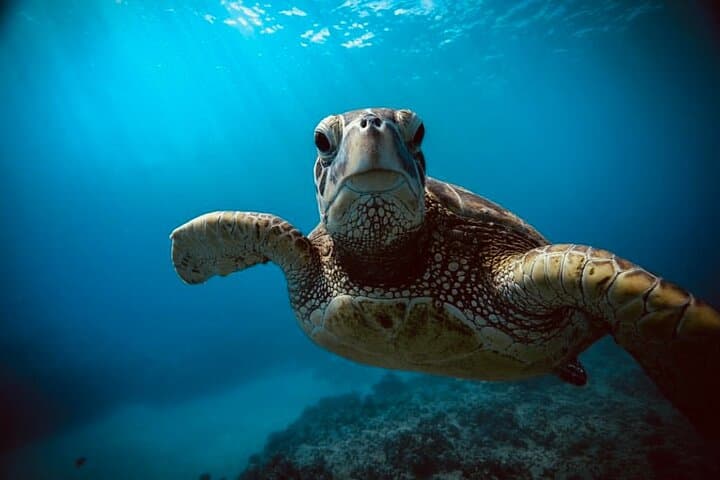
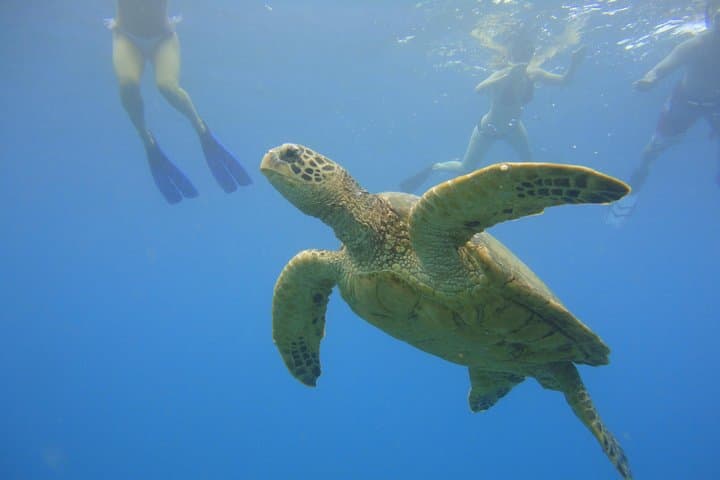
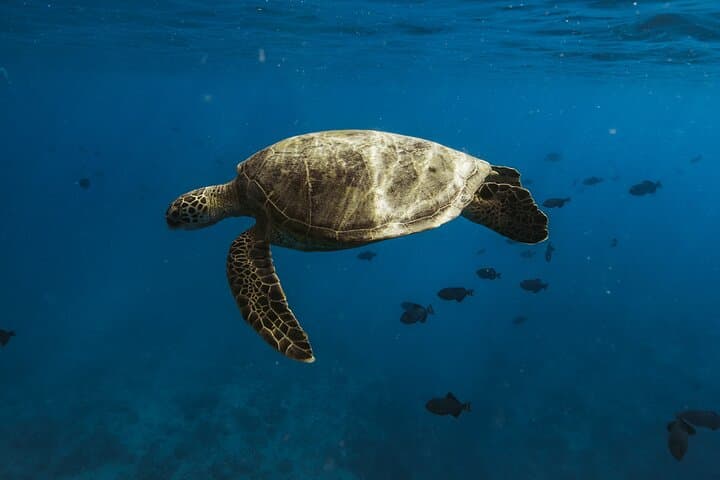
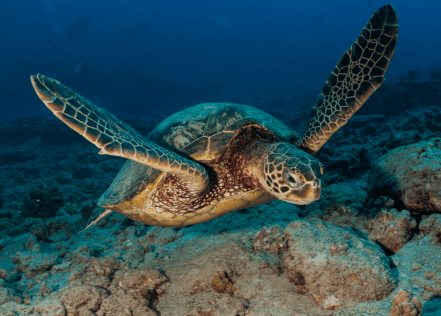
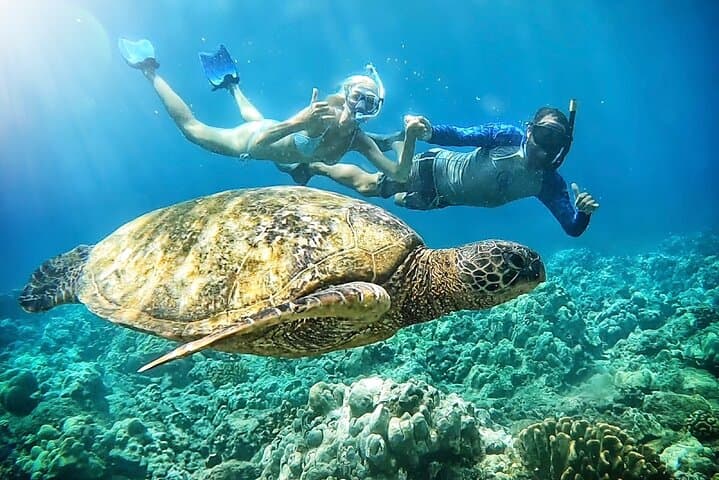
This south Maui reef hosts an abundant population of Hawaiian green sea turtles alongside some of the island's most diverse marine life. It’s accessible from the shore, calm most of the year and no reservation is required. Best in the morning before the trade winds make the water choppy. Federal law requires staying at least 10 feet from honu at all times.
Molokini Crater, Maui
The only snorkeling destination on this list that requires a boat. Molokini is a partially submerged volcanic crater about three miles off Maui's southern coast. It is a Marine Life Conservation District with more than 250 species of fish and visibility that regularly exceeds 100 feet on the crater's inner wall. Morning tours from Maalaea Harbor or Kīhei offer the best conditions. Book in advance during peak season.




 MauiSells out fastFree cancellation