By Sarah Burchard
27 Jan, 2026

Hawaiʻi Island lava fields. Photo by Where Earth is Reborn.
This article was originally published on March 31, 2025, and was updated Jan. 25, 2026.
Hawaiʻi Island, nick-named “The Big Island,” is the youngest and largest of the Hawaiian Islands — bigger than all the other islands combined. Covered in volcanic rock with the world’s tallest mountain and 11 of 13 climate types, you could surf, see snow and feel the intense heat of flowing lava all in one day. If you want to get away from the traffic and noise of a bustling city and reconnect with nature, Hawaiʻi Island is the place. Here are 20 of the best things to do on Hawaiʻi Island.
See all

Courtesy of Kona Sea Salt Farm.
Located at the Hawai‘i Ocean Science & Technology Park, a 7 1⁄2-acre oceanfront facility on Keahole Point, the farm was built on an ancient Hawaiian salt-gathering area. Melanie Kelekolio, a Native Hawaiian scientist who grew up on the Kona Coast collecting salt with her family, has produced paʻakai (sea salt) here for 23 years. Kelekolio draws mineral-rich water from 2200 feet below the ocean’s surface and harvests salt crystals just before the magnesium, calcium and other minerals begin to crystallize, producing a salt that tastes clean, mild and sweet.
Book a tour at Hawaiʻi’s only salt farm. This is a unique, educational activity on the Kona coast, great for families, solo travelers or couples.

Photo by Christian Mueller (Shutterstock).
There are several botanical gardens worth visiting that showcase the unique climate zones and flora of Hawai’i Island. The Hawaiʻi Tropical Botanical Garden (Papaikou), Nani Mau Gardens (Hilo) and Paleaku Gardens Peace Sanctuary (Captain Cook) all offer relaxing opportunities to experience Hawaiʻi’s plant diversity and climate variety.

Photo by Joe Belanger (Shutterstock).
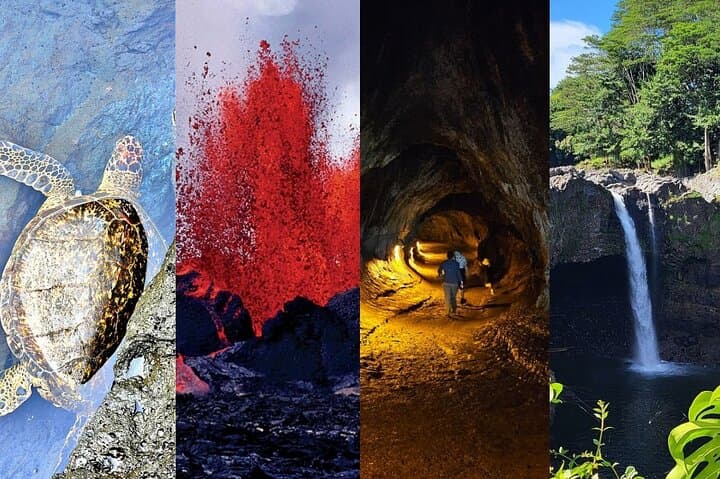
Located near Hilo on the east side of Hawaiʻi Island, the Rainbow Falls features a dramatic 80-ft waterfall often displaying a rainbow in its mist. These falls are easy to access (just a short walk from the parking lot) and offer a gorgeous backdrop for photos. The falls do get busy, go early in the morning for easy parking, avoid the crowds and the best lighting for your Instagram photos.

Pork Chops at Manago Restaurant. Photo by Melissa Chang.
The Manago Hotel & Restaurant, located at the historic Manago Hotel, opened in 1917 and today is run by fourth-generation owners. In 2023 the restaurant was recognized by the James Beard Foundation as one of six America’s Classics — locally-owned restaurants with timeless appeal that reflect their community. Itʻs local-style charm reflects Hawaiʻi’s multi-cultural culinary history. Make sure to sample the famous pork chops.

Courtesy of Hawaiʻi Forest & Trail.
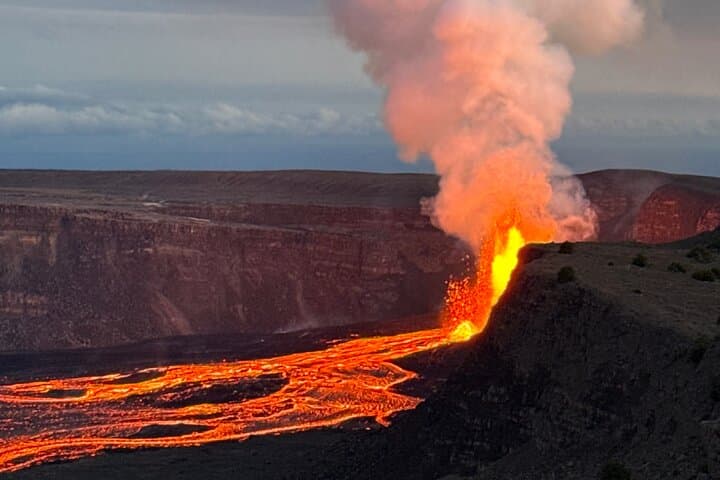
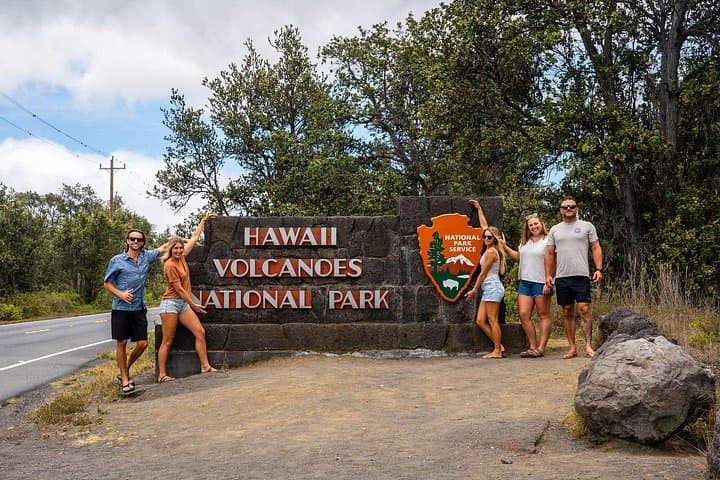
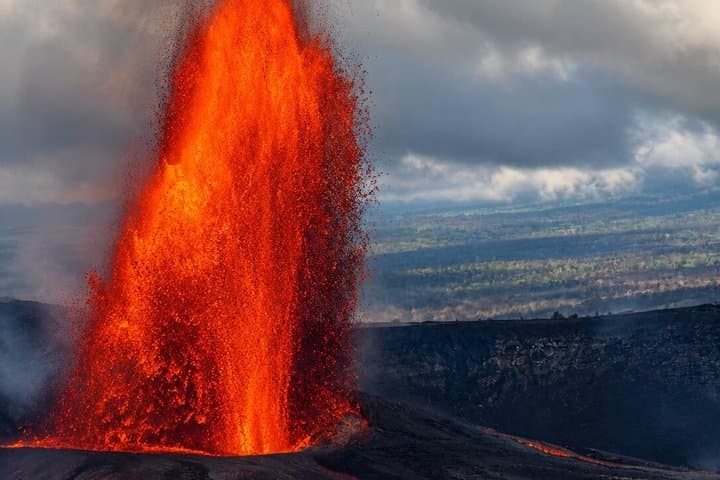
At Hawaiʻi Volcanoes National Park you’ll find the summits and rift zones of Kīlauea — one of the most active volcanoes in the world and Mauna Loa — the largest volcano on Earth by volume. The island is constantly growing due to ongoing lava flows and the park offers an opportunity to see this dynamic geological activity up close. Hike around or take a tour of vast volcanic landscapes, lava fields and lush rainforests. This is one of the most unique experiences in the world, an opportunity to see an explosive volcano in Hawaiʻi. Check current conditions ahead of time for possible closures and bring layers. It can get chilly at high altitudes.

Photo by Dudarev Mikhail (Shutterstock).
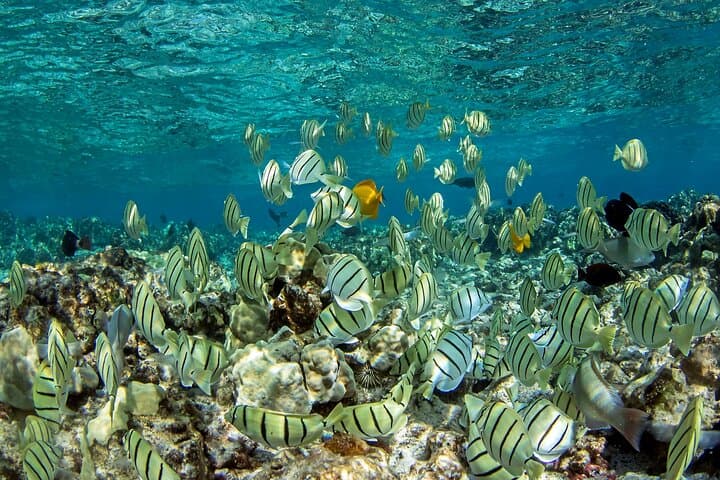
Head to the north-western shore for some of the best beaches on the island. The white-sand Hāpuna Beach offers plenty of room to relax, swim and catch a sunset—with a majestic view of sacred Mauna Kea, the highest point in the Pacific. Great beach for families and sunsets. Arrive early for parking and bring snorkel gear to explore on the north end of the beach.

Photo by Shutterstock.
Take a short quarter mile hike on a paved path to discover first the 100-foot Kahanu Falls, followed by the 442-foot Akaka Falls plunging through lush rainforest — one of the signature nature sights of the island. The hike takes less than an hour round trip. Wear hiking shoes as paths can be slippery and bring insect repellent.

Photo by Wonderful Nature (Shutterstock).
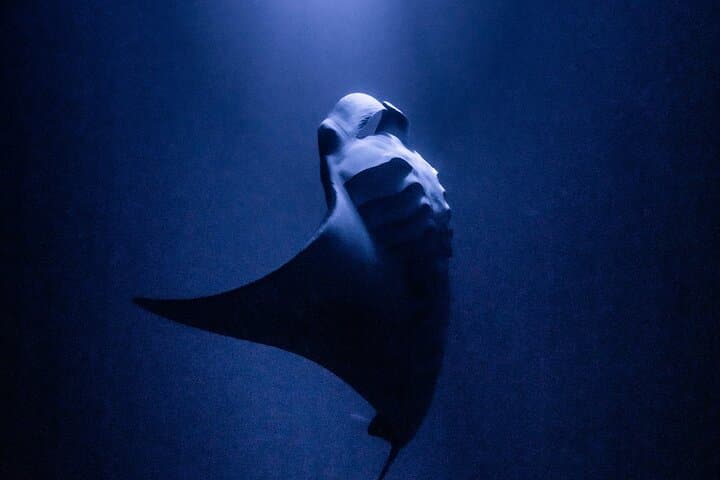
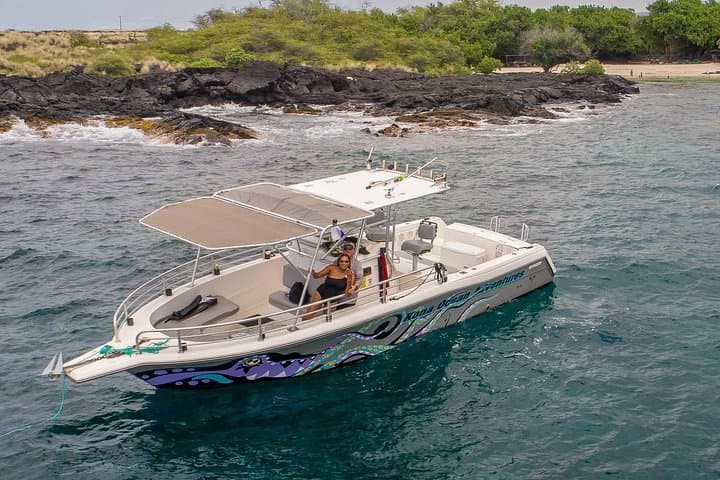
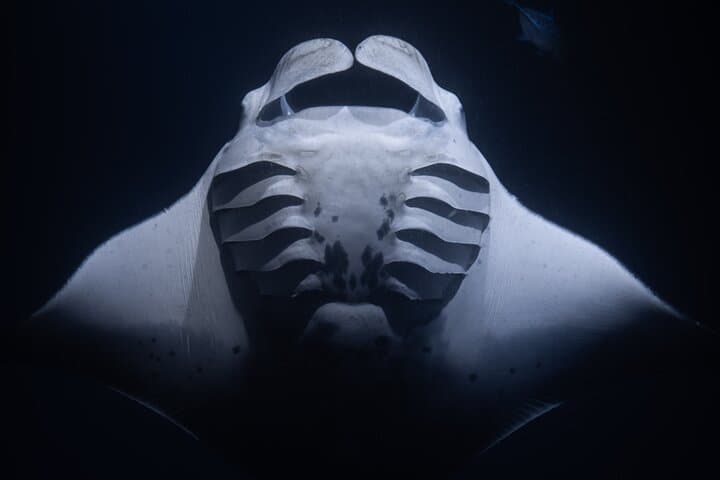
One of the most memorable experiences on the Big Island is the night snorkel with manta rays near Kealakekua Bay on the Kona side. Watch enormous mantas glide beneath you in the neon glow of lights resting just above the water. Book a certified tour and bring a wetsuit or rash guard in case the water is cold at night. Companies such as Hawaii Island & Ocean Tours offer seven to eight tours a night. They minimize their impact by bringing smaller groups and encouraging a look-but-don’t-touch approach.

Photo courtesy of Imu Mea ʻAi.
Learn how a traditional lūʻau feast comes together by participating in preparing one on the Imu Mea ʻAi Food Tour. Youʻll learn how to build an imu (underground oven), forage for supplies and prepare Hawaiian foods at this immersive experience. You'd be hard pressed to find a more authentic experience for visitors than this one.

“Magic Sands” Beach. Photo by Marisa Estivill (Shutterstock).
Laʻaloa Beach Park in Kailua-Kona earned its nickname “Magic Sands” for its disappearing beach sand. During winter months, shifts in tide or strong surf dissolves the fine white sand on the rocky shoreline. The beach may disappear for a day or two, but always comes back. Powerful waves make it a good spot for body surfing and boogie-boarding. Check the local surf forecast, waves can be strong and conditions change quickly.

Courtesy of Fairmont Orchid.
Start your day with a peaceful canoe paddle along the Kona coast. Resorts like Fairmont Orchid or Mauna Lani Resort offer outrigger canoe paddles with or without snorkeling with sunrise views of Mount Kohala, Mauna Kea and Mauna Loa. Tour guides will often blow conch shell, share ancient Hawaiian moʻolelo (stories) and chant to welcome the sun. Bring a waterproof bag for your phone so you can take photos.

Photo by Claudine Van Massenhove (Shutterstock).
Stroll through downtown Hilo for boutique shopping, local crafts and art galleries. Many of the storefronts are listed on the National Register of Historic Places. Check out beloved local designer Sig Zane whose modern aloha shirts celebrate Hawaiian heritage. Stop for a cocktail and chocolate tasting at Puna Chocolate Co. Visit the the Hilo farmers market. You can also explore the local art scene at the East Hawai’i Cultural Center. Just a quick car ride away is The Locavore Store, which carries a wide variety of Hawaiʻi-grown produce, meats, coffee, chocolate and other local artisan products and gifts. Pick up some fresh tropical fruit, regional snacks and gifts to bring home. This is a great way to support Hawaiʻi farmers and small local businesses.

Photo by Natasha Bourlin.
Former sushi chef Mark Pomaski opened Moon and Turtle in 2013 with his wife Soni and brother Tedd. Expect seasonal seafood and Hawaiʻi-Pacific farm-to-table cuisine with an ever-changing menu. Pomaski, who was a James Beard Award semifinalist for Best Chef Northwest and Pacific is renowned in the community for his high-level cooking.

Kona coffee is famous worldwide. Take a Kona coffee plantation tour or visit a coffee farm to learn how local coffee is grown, harvested and roasted. According to the Hawaiʻi Coffee Association, there are 630 coffee farms in Kona growing Kona Typica – most are smaller than five acres. You can also find coffee farms in Hamakua, Kaʻu and Puna. Hala Tree, Island Sun Coffee and Greenwell Farms both offer free tours.

Kalbi ribs at Yong's Kal-Bi in Waimea. Photo by Sarah Burchard.
Also known as Kamuela, Waimea is paniolo (cowboy) country and home to the historic Parker Ranch. Visit Waimea Butcher Shop for the island's largest selection of local meats, have lunch at Yong's Kal-Bi, take a self-guided tour at Parker Ranch, have an award-winning beer at Big Island Brewhouse for pau hana (happy hour) and enjoy a farm-to-table dinner at Merriman's – owned by one of the founders of Hawaiʻi Regional Cuisine Peter Merriman.

Photo by Marisa Estivill (Shutterstock).
The Waipiʻo Valley Lookout on the Hāmākua Coast offers dramatic views of black-sand beaches, 2000-foot tall sea cliffs and green valleys. Stick to the lookout rather than hiking down into the Waipiʻo Valley (also known as ("The Valley of the Kings"), this is sacred land once home to King Kamehameha I.

Photo by Robert Harding Video (Shutterstock).
Located on the southeastern Kaʻū coast, this beach covered in black sand formed from volcanic activity is often a haven for honu (green sea turtles) resting on the shore. Give the honu plenty of space and do not touch them, as they are an endangered species. Swimming is not ideal at this beach, but you can relax on the beach and take it all in.

Photo by Marisa Estivill (Shutterstock).
Take a scenic drive along the Hāmākua Heritage Corridor on the northeast side of the island. You’ll come across waterfalls, rainforest and sea cliffs on this lush side of the island. Make a day of it: stop at viewpoints, bring snacks and allow extra time for winding roads. Highlights include Waipiʻo Valley Lookout and the towns of Honomū and Honokaʻa (where Honokaʻa Chocolate is located). Finish with a meal and shopping in Hilo Town.

Photo by Kingsakai (Shutterstock).
Honokaʻa Chocolate is a bean-to-bar chocolate company that grows its own cacao on Hawaiʻi Island. Its two-ingredient chocolate (cacao and sugar) has earned 50 awards since it opened in 2017. Take a tour of the orchard and taste nine varieties of chocolate.

Spencer Beach. Photo by Ben Ono, courtesy of Hawaiʻi Travel Authority.
Before booking your flight, note where your accommodations are located. If you are staying in Waimea or anywhere on the West Side, fly into the Kona International Airport (Ellison Onizuka Kona International Airport at Keāhole). If you are staying anywhere on the East Side of the island, fly into the Hilo International Airport. Learn more about Big Island Airports here
It takes approximately 1 ½-2 hours to drive from Kona to Hilo via Saddle Road. It takes roughly eight hours to circle the Big Island.
Kona usually experiences dryer weather, while it is wetter on the Hilo side.
The Kona side is known for its luxury resorts, swimmable beaches, snorkeling and scuba diving. Hilo side is known for local art, lush rain forests, rushing waterfalls and Hawaiʻi Volcanoes National Park.

Courtesy of Fairmont Orchid.
Don’t leave anything of value in your car. In some tourist-heavy locations, cars — especially rental cars — have been broken into.
Don’t leave your valuables unattended on the beach.
Do not touch sea turtles, monk seals or any wildlife. These are protected, endangered animals, and it’s against the law to touch them or even get too close.
Do not take rocks, sand, plants or animals from beaches or hiking trails. You may be removing something sacred or a native or endemic species that’s endangered in the area. Leave everything in nature as you found it.
Do not leave any trash behind — anywhere.
Heed warning signs at the beach. Lifeguards post signs for hazards such as strong currents, jellyfish sightings and high surf. Take these cautions seriously.
Do not venture off the beaten path. Straying from marked hiking trails can cause land degradation. You may also be stepping on private or sacred grounds.
Be mindful of your noise level. Don’t be the loud tourist who disrupts others’ experiences. It’s disrespectful — and a good way not to be invited back.
Wear reef-safe sunscreen. It’s against the law in Hawaiʻi to use anything else. Help protect this fragile ecosystem.

Courtesy of Kailani Tours.
Should I fly to Kona or Hilo? It depends on where you are staying. If you are staying in Waimea or anywhere on the West Side, fly into the Kona International Airport. If you are staying anywhere on the East Side of the island, fly into the Hilo International Airport.
How hard is it to visit activities in Kona and Hilo areas? It is not difficult to visit activities in Kona and Hilo, but you will need transportation. We recommend either renting a car or taking a tour that will pick you up at your hotel.
Do I need to rent a car to do these Hawaii Island activities? Yes. Hawaiʻi Island is over 80 miles from east to west and activities are spaced out.
What are the most popular free attractions on the Big Island? Popular free attractions on Hawaiʻi Island include exploring Hawaiʻi Volcanoes National Park, visiting beaches, hiking to waterfalls, exploring lava tubes and visiting farmer's markets (although we would love it if you support local and buy something).
Can I see/do all of these on Hawaiʻi Island in one day? Due to the vastness of the island of Hawaiʻi, you will not be able to do the activities in one day.
How many days should I spend on Hawaii Island? We recommend at least four nights, two on Kona side and two on Hilo side.
What’s the best way to get around the Big Island? You will need a rental car to get around on the Big Island. You can also take a tour that will take you to several attractions in one day.
Which Big Island activities require a reservation? You should make reservations for restaurants, lūʻau, Kona Sea Salt Farm, snorkeling and boat excursions, farm tours and canoe paddling.
What are the top cultural attractions on Hawaii Island? Top cultural attractions on Hawaiʻi Island include Puʻuhonua o Hōnaunau National Historical Park, Puʻukoholā Heiau National Historic Site, Hawaiʻi Volcanoes National Park, Kaloko-Honokōhau National Historical Park, Kalahuipua'a Historical Park and Fish Ponds (located at Mauna Lani, Auberge Collection), local markets and attending a lūʻau.
Heading to another island? Check out our top activity picks for Oʻahu, Kauaʻi and Maui.
Join our newsletter for travel inspiration, insider tips and the latest island stories.
By subscribing, you agree to receive emails from Hawaii.com. You can unsubscribe anytime. See our Privacy Policy.