By Laurie Lyons-Makaimoku
6 May, 2026

Photo by Shutterstock.
The Kohala Coast and Kona may see fewer humpbacks than Maui, but the Hawaiʻi Island, or Big Island, offers something unique from the other islands: year-round whale watching. From April through November, operators run pelagic tours far offshore into deep water, searching for pilot whales, sperm whales, false killer whales, beaked whales and other resident cetacean species that are rarely encountered elsewhere in Hawaiʻi. For visitors coming in the off-season, the Big Island is the only Hawaiian island where meaningful whale encounters are possible year-round.
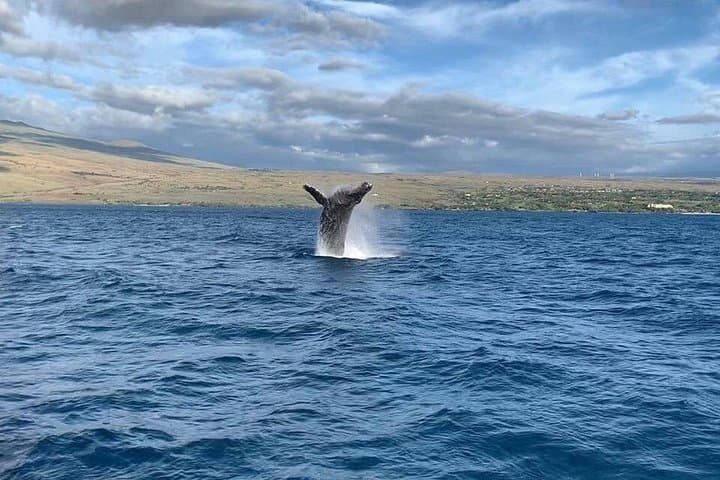
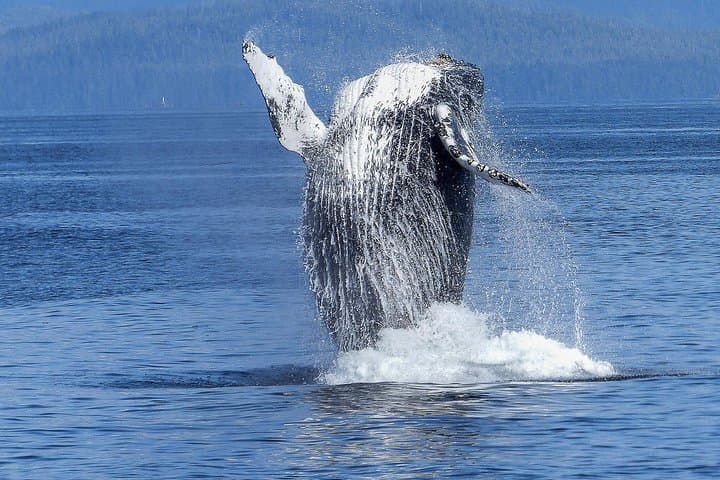
During whale watching season, December through March, there is less humpback activity on the Big Island than Maui, but the island’s natural beauty more than makes up for it. Humpback whales love the warm, sheltered waters of both the leeward and windward sides and can be found in the near-shore zones around most of the island, making them viewable from both on-shore (including from the lanai of some hotels) and through guided boat tours.
Humpback season: December – April (peak: January – February on the Kohala Coast)
Year-round whale watching: Yes — pelagic tours April–November for pilot whales, sperm whales, beaked whales
Best side of the island: West side (Kona and Kohala Coasts) for both humpbacks and pelagic species
Tour departures: Honokohau Harbor (Kona) for most operators and Keauhou Bay for others
Shore spotting: Kohala Coast is most reliable near Puʻukohola Heiau, Lapakahi State Historical Park and Kapaʻa Beach Park
Average tour cost: $75–$150 depending on tour type and duration
Year-round sighting guarantee: Hawaiian Adventures Kona guarantees whale or dolphin sightings on every tour

Puʻukohola Heiau National Historic Site on Hawaiʻi Island. Photo by Laurie Lyons-Makaimoku.
The Kohala Coast on the west side of the island sees two to three times more whales than other Big Island locations according to research data, but the Kona Coast and Hilo are also good options. Here are 7 places on Big Island to see whales from the shore.
This historic site is home to one of the largest restored heiau (temples) in Hawai'i. Its name reveals exactly why it’s such a great place to watch for whales — Pu‘ukoholā means “Hill of the Whale,” and offers one of the best shore-based whale watching spots on the island with amazing panoramic views of the ocean and nearby Kawaihae Harbor. Puʻukoholā Heiau was built by Kamehameha I. That alone makes this a good stop. While you’re there, explore the exhibits and museum shop. There’s plenty of parking and nice restrooms, but it can be very hot and windy in this area, so plan ahead.
Like Puʻukohola, Lapakahi State Historical Park on the North Kohala Coast offers elevated views of the horizon, making it easier to spot whales across a wide swath of ocean. This partially restored, 600-year-old fishing village offers trails and exhibits to check out while you wait for the whales and its quieter and less crowded than Puʻukohola. Just be sure to bring water and sun cover, because there’s not much shade.

Lapakahi State Historical Park on Hawaiʻi Island. Photo by Laurie Lyons-Makaimoku.
This small beach park on North Kohala Coast near Pololū Valley is a great stop for a picnic, bathroom break and place to relax while watching for whales. The beachfront pavilion offers a nice, elevated spot or you can pop up a chair along the shoreline for a relaxing afternoon. There are picnic tables, showers and easy parking. I highly recommend picking up a pizza from K.O. Pizza or a sandwich from Kohala Grown Market in Hāwī before heading that direction.
One of the nicest ways to whale watch on the Kohala Coast is to spread out on beautiful Hapuna Beach — one of the Big Island’s most popular beaches. Spend the day scanning the horizon in between swimming and snorkeling. Stay at the The Westin Hapuna Beach Resort for easy, direct access.

Hapuna Beach. Photo by Shutterstock.
Any of the sandy-bottom bays between Kailua-Kona and Keauhou offer shore spotting during humpback season. The flat, calm waters of the Kona coast make spouts easier to spot than on more exposed shores. For a quiet spot without all the offshore traffic from boats and activities, stay at Four Seasons Resort Hualalai. This is a great place to watch humpback whales just 300 yards off of the coastline. Dining al fresco at ‘Ulu or NOIO sushi bar brings the potential for dinner and a show.
For nice views of whales on the East side of Big Island, Hilo Bay offers many vantage points to look for whales cruising just past the bay’s manmade breakwall. The scenic point at the northern tip of the bay offers plenty of parking and shade to hang out and whale watch (though there’s no seating or facilities). That said, most beaches in Hilo make great places to watch for whales, though they are less frequent here than on the west side.

Hilo Bay. Photo by Laurie Lyons-Makaimoku.
On the east side of Big Island, my very favorite place to watch for whales is at Hawai'i Magic Skies B&B Farmstay. Just north of Hilo town, this beautiful farm B&B offers elevated views of the ocean. From the second-floor balcony, it’s easy to see whales cruising by while enjoying a cup of coffee, along with the peacefulness of the farm. Binoculars and comfy chairs are provided to make whale watching even easier.

Photo courtesy of Magic Skies B&B Farmstay.
See all

Photo courtesy of Dolphin Discoveries.
The Big Island has more specialized tours than Maui, seeking more than solely humpback whales. There are a handful of operators who focus specifically on wildlife and research-quality encounters. Tours depart out of Kona with most leaving from Honokohau Harbor and a few from Keauhou Bay. Here are options for both.
For a real adventure, head out from Kona on the Artemis, Callisto or Apollo for either a near-shore humpback viewing adventure or a pelagic zone tour to look for a variety of other ocean life. This is the most notable Big Island operator. Each vessel is US Coast Guard offshore-certified, which allows the tour guides access to the deep pelagic zone, unlike most operators who are restricted to three miles from shore. A naturalist is on-board for every trip, as well as research-grade hydrophones for listening to whales. Sightings are so consistent that they guarantee whale and/or dolphin sightings on every tour. If you don’t have a sighting, you’ll receive a 50% off code for another tour. Humpback tours run December to March. Pelagic whale tours run April to November searching for pilot whales, sperm whales, beaked whales and more.One of the best things about this tour provider is that they’re the only tour that offers a weekly whale and wildlife report that includes an update on all the sea life they’ve seen the week before.
Dolphin & Whale Watch Tours: $129 ages 10+ | Departing at 8:30 a.m.
From December through March, Body Glove takes guests out for a two and a half hour catamaran cruise to search for humpback whales. Trained naturalists provide narration so that guests can learn more about the whales and any other ocean life that might pop up along the way. This cruise also includes light snacks and beverages and an on-board hydrophone, which offers the opportunity to hear whales underwater if they happen to be in a singing mood. The tour has a 100% sighting guarantee. If you don’t see whales, you can come back for another tour for free. These large, stable vessels make them a great option for families.
For something a little different, Body Glove also offers its Historical Dinner Cruise down the Kona Coast. While the purpose of this cruise is more relaxing, there is a chance you might also have a whale encounter during humpback season.
Whale Cruise: $151 adults, $119.99 children 6-17, $49.99 Children 5 and under | Departing 1 p.m.
From mid-December through early April, join Hilo's only commercial tour boat for a 1.5-hour journey along the scenic East Hawaiʻi coastline with a local captain and crew who share fascinating insights into humpback behavior, migration patterns and the whales' cultural significance to the Hawaiian Islands.
Royal Humpback Whale Experience: $139 per person, ages 8 and older
The Namaka is a spacious 46-foot custom dive boat that departs from the Kohala Coast. With a maximum of 24 guests, this intimate 2.5-hour experience gives you plenty of room to move freely and follow the whale action as Kohala Divers' expert naturalist crew — exploring these waters since 1984 — shares fascinating insights into humpback behavior, migration and communication. Spot humpback whales and spinner dolphins along the coast before settling in for the sunset with complimentary refreshments. BYOB is welcome. A hydrophone may be deployed so you can listen to the whales, conditions permitting.
Whale Watch and Sunset Cruise: $149 per adult, $99 per child (ages 14 and under), All ages welcome. Children under 15 must be accompanied by an adult | 3:30 p.m. check-in, boat departs promptly at 4 p.m.
Optional: Shuttle service available from Kohala Coast and Waikoloa resorts
See all

Photo by Shutterstock.
Humpback season: December–April; Kohala Coast peaks in January–February
Year-round: April–November offers pelagic tours for resident cetacean species — unique to the Big Island
Best time of day: Early morning (before noon) for highest sighting rates; Kohala Coast whales tend to go deeper after midday
Kohala Coast sees 2–3x more whale activity than other Big Island locations per aerial survey data
Learn more about Whale Watching in Hawaiʻi
Stay on the west side (Kona, Kohala) specifically for whale watching. The east side (Hilo) sees significantly fewer whales.
For year-round whale encounters, book a pelagic tour with an offshore-certified operator like Hawaiian Adventures Kona.
Combine Puʻukohola Heiau with a morning shore-spotting session — a significant historic site plus whale watching in one stop.
Morning is essential on the Kohala Coast. Research shows up to 50% higher sighting rates before noon.
The Big Island’s deep coastal trench brings a wider variety of cetacean species closer to shore than any other island.
Bring binoculars for shore spotting. The wide open ocean views on the Kohala Coast reward patience.
No other Hawaiian island offers meaningful whale watching outside of humpback season. This is what differentiates the Big Island from Maui, Oʻahu and Kauaʻi. The pelagic zone off Kona is home to over a dozen cetacean species year-round including short-finned pilot whales, false killer whales, sperm whales, melon-headed whales and occasionally orcas. Hawaiian Adventures Kona’s weekly sighting logs are a credible data source anyone can reference for specific species and sighting frequency.
Join our newsletter for travel inspiration, insider tips and the latest island stories.
By subscribing, you agree to receive emails from Hawaii.com. You can unsubscribe anytime. See our Privacy Policy.