

Kauaʻi Beaches
Which shore to swim, which to skip, and how Kauaʻi's beaches flip with the seasons.

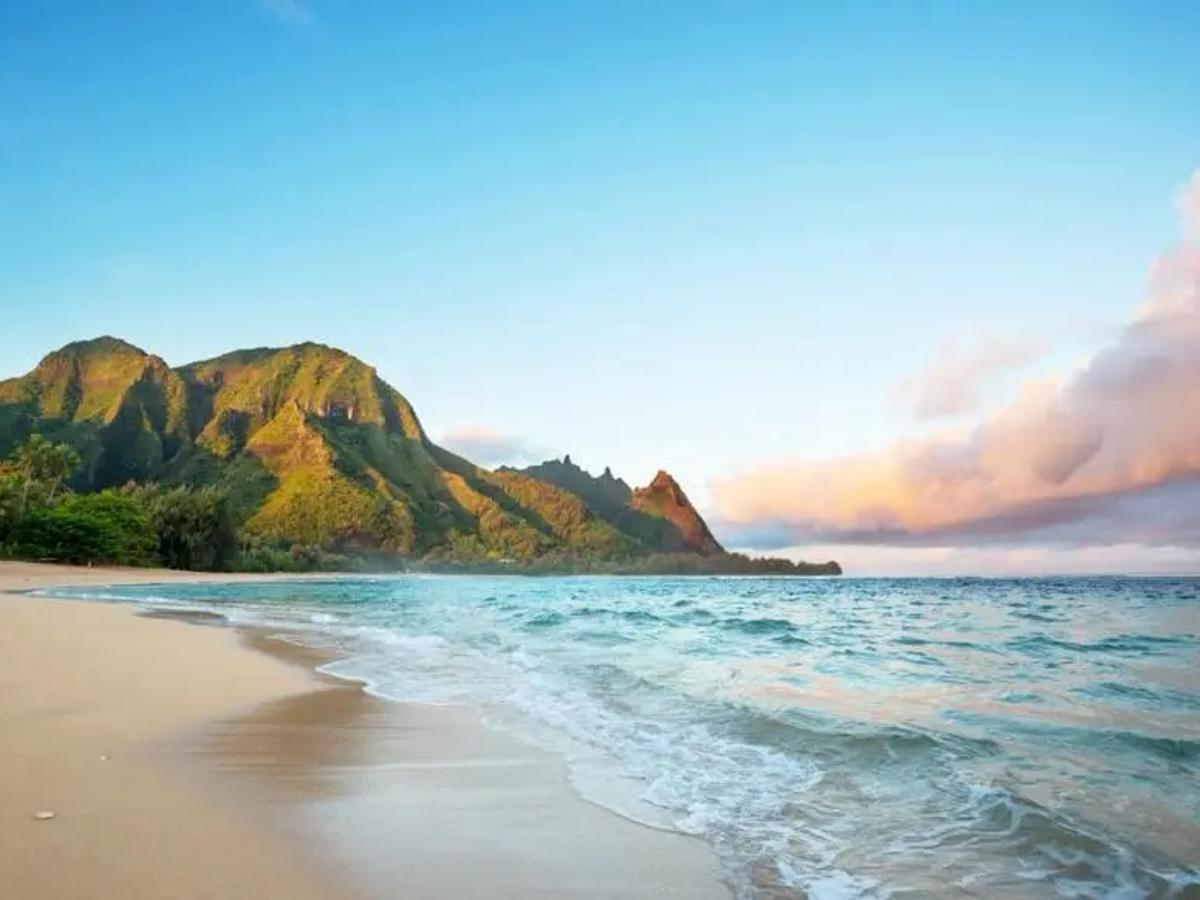
From picturesque Hanalei Bay backed by towering green cliffs on the north shore to the soft sands of Poʻipū Beach in the resort-filled south shore, Kauaʻi has dozens of beautiful beaches to choose from. North shore beaches are where visitors learn to surf and love to take photos. South shore beaches are popular for families and couples staying at nearby resorts. West side beaches are the least visited, which often makes them more spacious and quiet. The east side has the famous Royal Coconut Coast with its bike and walking path. But the most important thing to understand about Kauaʻi beaches is how they change with the seasons — the ocean can be dangerous here under high surf, rip currents and sharp coral. In winter the surf is biggest on the north shore; in summer, on the south shore. If you plan to swim or snorkel, go to whichever side is not currently seeing high surf. I used to stay in Poʻipū every summer and can attest to the roughness of the ocean on that side — I'd get in the shallows to cool off, but if I wanted to actually swim, I'd drive to the north shore.
Best Kauaʻi Beach for What
Pick by season as much as by name. Here's where to go for each kind of beach day.

Best for photography
Blackpot Beach and Hanalei Bay. From the sand at Blackpot you can watch people shoot the famous Hanalei Pier, with waterfalls streaming down the mountains behind it.

Best for swimming
ʻAnini Beach. One of the longest fringing reefs in the state sits far offshore, creating a natural barrier against swell — it's remarkably safe, even with kids. Still check the surf forecast and stay out if the waves are up.

Best for snorkeling
Poʻipū Beach on the south shore in winter; Tunnels, ʻAnini or Keʻe on the north shore in summer. Match the beach to the side that's calm that season.

Best for sunset
Lawaʻi Beach, where the south shore gathers most evenings to watch the sun go down.
Best for families
Lydgate Beach on the east side. A manmade rock wall creates a protected, pool-like pocket — about as calm as ocean swimming gets — and there's a playground in Lydgate Beach Park nearby.
Best for solitude
Polihale State Park — the quietest four-mile strip of sand on the island, if you can get down the dirt road to reach it.

Best for watching the surf
Hanalei Bay and Tunnels in winter for massive north-shore surf (from land only — never enter the water), and Shipwreck Beach on the south shore in summer. Near Hanalei Pier you can watch surf lessons when the north shore is calm.
South Shore
The sunny south shore — Poʻipū, Brennecke's — is where many visitors go year-round. If it's raining on the north shore, chances are good it's sunny here. The best time to swim and snorkel this side is winter, when the high surf has moved north. Summer can get rough, with big crashing waves that are more hazard than fun if you're just trying to splash around — but the beach is still lovely for sunbathing and picnicking, and you can watch the surfers from shore.


East Side
This side boasts the Royal Coconut Coast and Ke Ala Hele Makalae — the Kapaʻa bike path — which runs all the way from Lydgate Beach Park to Paliku (Donkey) Beach. No other side offers such an extensive coastal path. Kapaʻa's beaches are spacious and easy to reach, and at Keālia Beach you can drive right onto the sand (the only other place you can do that is Polihale). A few resorts sit beachfront here; my favorite is the Royal Sonesta Kauaʻi Resort on Kalapaki Beach in Līhuʻe.

North Shore
Summer is the time to be on the north shore, when the water is calmest for swimming and the south shore has gone rough. Hanalei Bay is one of the only beaches on the island with a truly dramatic backdrop — from the sand at Blackpot Beach you can watch people photograph the famous Hanalei Pier, waterfalls streaming down the mountains behind it. There's great snorkeling here too, at Makua (Tunnels) and Keʻe Beach at the end of the highway.

West Side
West side beaches are remote compared with the rest of the island. Polihale State Park, at the end of the highway, takes four-wheel drive to reach, and since most rental companies prohibit off-road driving, you'll likely be skipping it. Salt Pond Beach Park is easier to get to but still at least a half-hour drive from most hotels. This side is dry and hot, so if you're chasing a break from the rain it's a good option — otherwise I'd point you to the south, east or north shores.

Browse by Category

Editor's Pick
Hanalei Bay in winter is one of the most beautiful things you'll see in Hawaiʻi — and one of the worst places to swim. Visitors see the water, the mountains and the sand and want to spend the day, but the same north swells that make Hanalei a world-class surf destination from October through April make it genuinely dangerous for anyone who isn't an experienced big-wave swimmer. Watch the surfers, take your photos, walk the shore — and stay out of the water.
— Sarah Burchard
Insider Tips
Know Before You Go
- 1Respect the seasons — and the drowning riskKauaʻi has one of the highest visitor drowning rates in Hawaiʻi. The single thing most visitors underestimate isn't the heat or the rain — it's how radically the ocean changes by season. A beach that's calm for swimming in summer can have deadly waves in winter.
- 2North shore, October through AprilHigh-surf season turns Hanalei Bay, Tunnels and Keʻe from relaxing swimming coves into some of the most powerful waves in the Pacific. Do not enter the water — watch from the sand. The currents that come with big north swells can pull experienced swimmers offshore in minutes. The south shore is calmer but not immune: summer south swells can roughen Poʻipū enough to surprise visitors who assume it's swimmable year-round. Many sites say it is; I don't agree.
- 3Two beaches that deserve specific warningsHanakāpīʻai, two miles in on the Kalalau Trail, has no lifeguard and strong currents that have killed visitors of every experience level. Polihale, at the end of a five-mile dirt road on the remote west side, has a dangerous shore break, rip currents and no rescue infrastructure nearby. I wouldn't get in the water at either.
- 4Check the flags — and check before you goThe lifeguarded beaches — Poʻipū, Lydgate, Hanalei (seasonally), Keʻe and Tunnels — are your safest bets. Yellow flags mean caution, red means hazardous, black means closed; trust them, and remember that many of Kauaʻi's most beautiful beaches have no lifeguard at all. Check safebeachday.com/county/kauai in the morning before you head out.
- 5Polihale requires planningPolihale sits at the end of a roughly five-mile unmaintained dirt road. You need four-wheel drive, and most rental contracts explicitly prohibit off-roading. No lifeguard, a dangerous shore break, strong currents — most people go for the beach, the sunset and camping, not for swimming.
- 6Don't leave anything in your carRemote beach lots — Polihale, the north shore trailheads and the Kalalau trailhead — are frequent targets for break-ins. Get in the habit of leaving nothing of value visible in your car.
Related Guides


Frequently Asked Questions
Editor · Oʻahu
Sarah Burchard has called Oʻahu home since 2017. com, Hana Hou, FLUX Hawaiʻi, Forbes, Hawaiʻi Magazine and Honolulu Magazine.
More from Sarah →