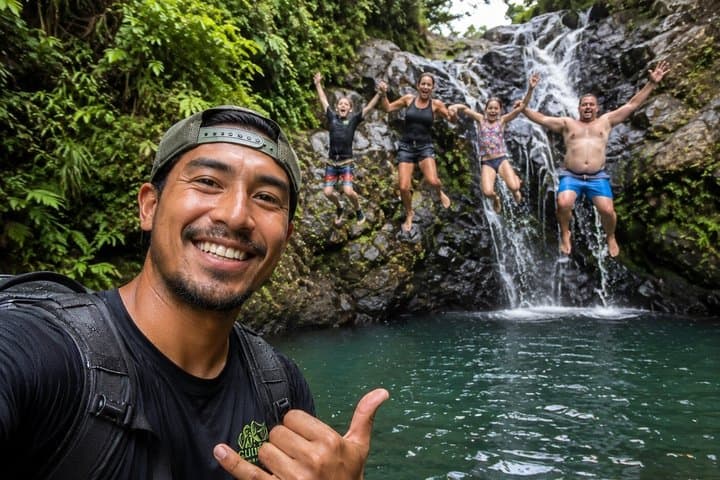
The trails in Hawaiʻi are some of the most beautiful in the country — and some of the most dangerous. Every year there's a disproportionate number of search-and-rescue operations, usually for visitors who didn't heed local cautions or underestimated the skill a trail demands. Experienced hikers from elsewhere are often the most vulnerable, because they're overconfident: an Appalachian ridgeline in New Hampshire is nothing like a rainforest ridgeline in Hawaiʻi.
The most underestimated hazard is flash flooding. Valley and waterfall trails — Pīpīwai on Maui, Mānoa Falls on Oʻahu, Kalihiwai on Kauaʻi — can go from dry to deadly within minutes of an afternoon thunderstorm. Even if the sky above you is clear, it may be pouring high in the mountains. If you're unsure about the weather, don't enter a valley trail; if you're already in one and the water starts to rise or change color, move to high ground immediately.
Do not wade or swim in freshwater with any open wound. Leptospirosis is a bacterial infection you can pick up from streams and waterfall pools if you have cuts or open wounds, and people are infected in Hawaiʻi every year. Sometimes the most inviting pools carry the highest risk.
The sun is more intense here than most visitors expect, even in winter. On exposed trails the UV is strong the moment the sun is up — start before 7 a.m. if you can, and always wear reef-safe sunscreen, which is required by state law (oxybenzone and octinoxate are banned; look for mineral-based zinc oxide).
Cliff trails without railings are deadly. The Kalalau and Olomana (Three Peaks) trails show how serious the exposure can be — one slippery step can be fatal, and people die on these trails every year underestimating the terrain.
Cell service is unreliable on most trails outside Honolulu. Download offline maps before you leave the trailhead — AllTrails works offline if you save the route in advance — and don't assume anyone can reach you if something goes wrong. On many hikes it could be hours, even overnight, before someone finds you.


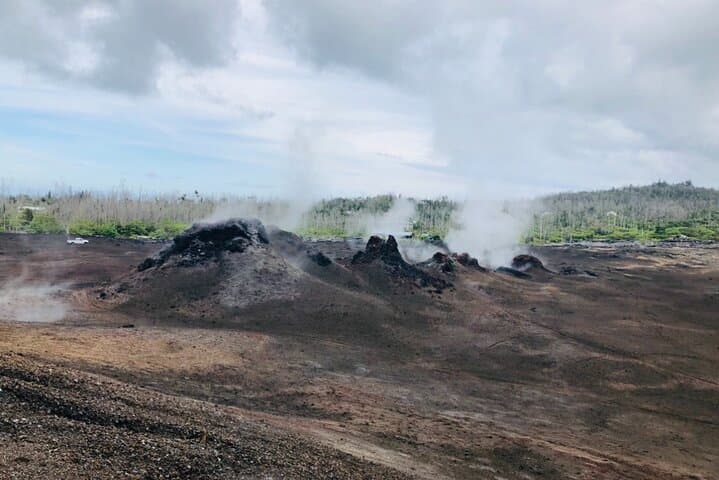 Hawaiʻi Island