

Oʻahu Beaches
Pick your side first, then your beach — Waikīkī, the Windward coast, the North Shore and beyond.

Oʻahu's beaches span from world-famous Waikīkī to big-wave surf breaks like Pipeline on the North Shore. In between are miles of inviting coastline for swimming, snorkeling and surfing. With more than 125 beaches on the island, the trick is to pick your side first, then your beach — each coast has its own character, its own season and its own idea of a good beach day.
Best Beach for What
Not all of Oʻahu's beaches are the same — the same island has the best place to learn to surf and the worst, depending on where and when you go. Here's how to pick by what you actually want from a beach day.

Best for families with toddlers
Ala Moana Beach, Waikīkī Beach and the Ko ʻOlina Lagoons — the calmest water, sandy bottoms, lifeguard stations and restrooms close by.

Best for calm swimming
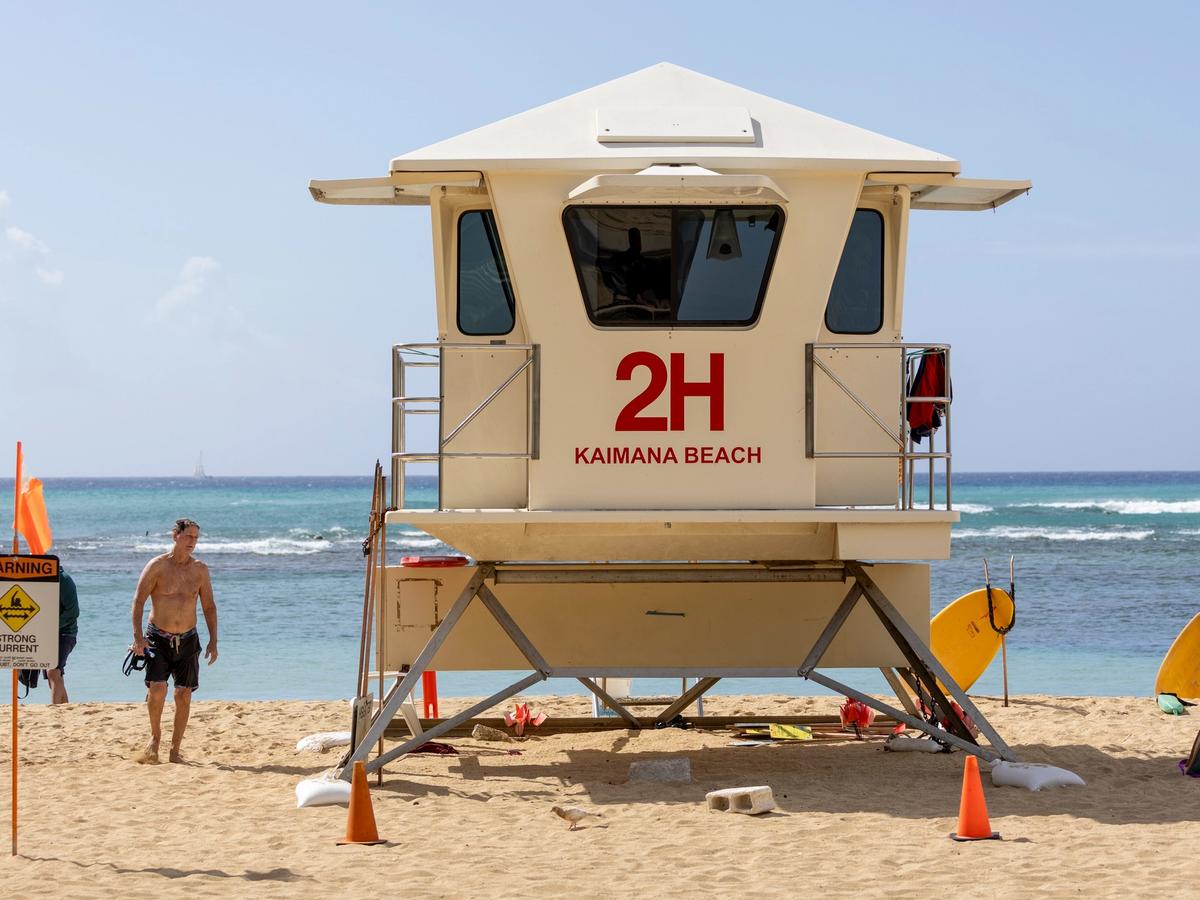
Ala Moana Beach for swimmers and stand-up paddlers. If you're mostly there to sunbathe and splash in the shallows, Sherwoods, Kaimana and Kailua are great too.

Best for snorkeling
Hanauma Bay year-round and Kapoʻo (Sharks Cove) on the North Shore in summer — both protected conservation districts with rules to follow. Hanauma reservations open exactly two days ahead at 7 a.m. HST and sell out in minutes; entry is $25 for non-residents and it's closed Monday and Tuesday.

Best for watching big-wave surfing (winter)
Pipeline, Sunset and Waimea on the North Shore — from the sand only.

Best for sunset
The Ko ʻOlina Lagoons on the West Side and Magic Island on the South Shore.

Best for learning to surf
Waikīkī, by the Duke Kahanamoku statue. Regular surfers can try the reef breaks at Kewalo Basin or Ala Moana Bowls in summer — but mind the surf etiquette anywhere outside Waikīkī's beginner zone.
South Shore
The beaches on this side see the most visitor traffic, and they're a good example of how much beaches can vary. The pummeling shorebreak of Sandy Beach is a very different experience from the tranquil water of Ala Moana. In general the South Shore gets its best surf in summer and is calm in winter — but Waikīkī's waves are gentle enough for beginners to learn to surf here year-round.


Windward Side
This is the windy side of the island, so the water can get choppy — though it's generally still swimmable, especially around Kailua and Lanikai, where the water runs closer to turquoise than blue and the sand is fine and white. Beaches on this side are about a 45-minute drive from Waikīkī.


North Shore
In summer, the beaches on this side are mostly calm and swimmable. In winter, surf's up — this is when the North Shore hosts its world-famous big-wave competitions and locals and visitors line the sand to watch the best of the best. Come to swim in summer and to watch in winter.


Leeward Side
This side of the island tends to be dry and sunny. The lagoons at Ko ʻOlina are calm and great for families. Depending on the day, the surf at other Leeward beaches can get rough — they're more for surfing than swimming.

More Oʻahu Beach Guides
A few more of our Oʻahu beach guides to help you plan.


Winter vs. Summer Safety
Which beach you go to depends on the season. North Shore beaches are not suitable for swimming from November through February; the reason to visit in winter is to watch the world's best surfers take on big waves at Pipeline, Sunset and Waimea.
The South Shore has a surf season too. Summer swells at Waikīkī can catch visitors off guard — if it looks too rough, head to Ala Moana Beach instead, where a reef protects the swimming area and the surfing happens just beyond it. The Windward side is fairly consistent year-round; Kailua and Lanikai are generally calm and safe in any season.
One thing most visitors never think about is box jellyfish. Every month, 9 to 10 days after the full moon, they migrate to Oʻahu's south and leeward shores — Waikīkī, Ala Moana Beach Park and Hanauma Bay are hit hardest. Check the box jellyfish calendar at waikikiaquarium.org before heading to any South Shore beach, and don't plan to get in the water on those days.
Hawaiʻi state law requires reef-safe sunscreen everywhere — mineral-based products without oxybenzone or octinoxate, which are banned statewide. Check the label before you pack, or buy it when you arrive.

Browse by Category

Editor's Pick
Waikīkī Beach is fun, but it's not the best beach on the island — unless you're learning to surf. For something far less crowded, go to almost any other beach on Oʻahu; some are only a mile away. And as beautiful as it is, I don't send visitors to Lanikai: parking is genuinely difficult and there are no restrooms or lifeguards. The North Shore in winter is great for shopping, dining and watching surfers, but you won't be getting in the water — the surf is too rough. If you want to swim in winter, stick to the South Shore.
— Sarah Burchard

Insider Tips
Know Before You Go
- 1Trust the lifeguardsOʻahu's lifeguarded beaches use a color-coded flag system: green means low hazard, yellow means caution, red means high surf or dangerous currents, and double red means the beach is closed. A purple flag is a marine-life advisory — the water's open, but something's been spotted, most often jellyfish or Portuguese man-o-war. Oʻahu's drowning rates are among the highest in the US for visitors, and the lifeguards can read conditions you can't. If you don't know a beach, don't swim where there's no lifeguard.
- 2Theft is the real riskViolent crime at Oʻahu beaches is rare, but car break-ins at beach and trailhead parking are common. Don't leave anything of value in your car — not even in the trunk. Take your phone, wallet, keys and passport with you.
Related Guides


Frequently Asked Questions
Editor · Oʻahu
Sarah Burchard has called Oʻahu home since 2017. com, Hana Hou, FLUX Hawaiʻi, Forbes, Hawaiʻi Magazine and Honolulu Magazine.
More from Sarah →