Hanauma Bay
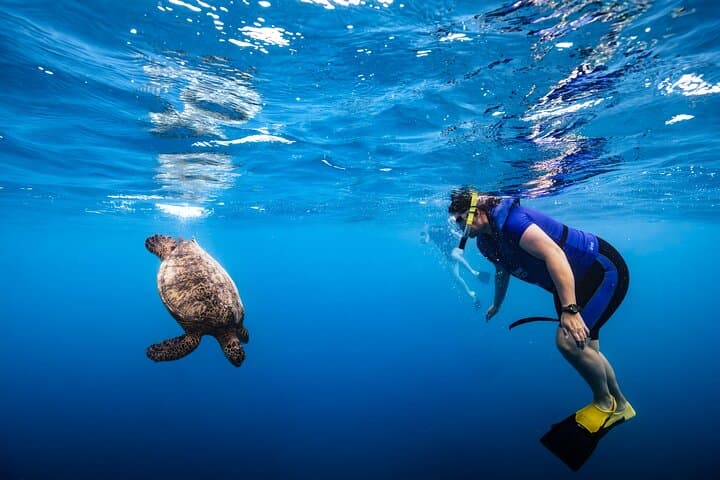
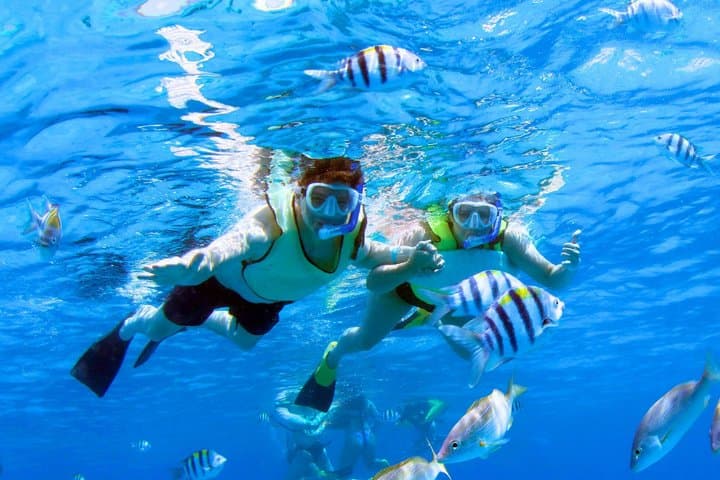
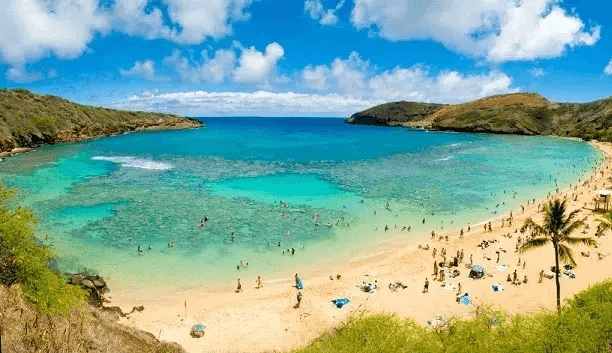
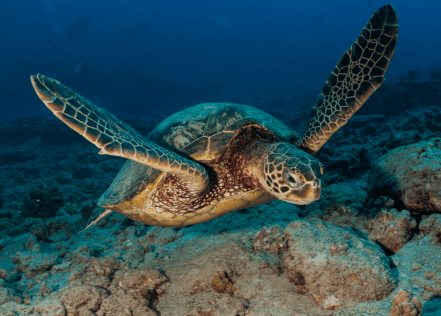
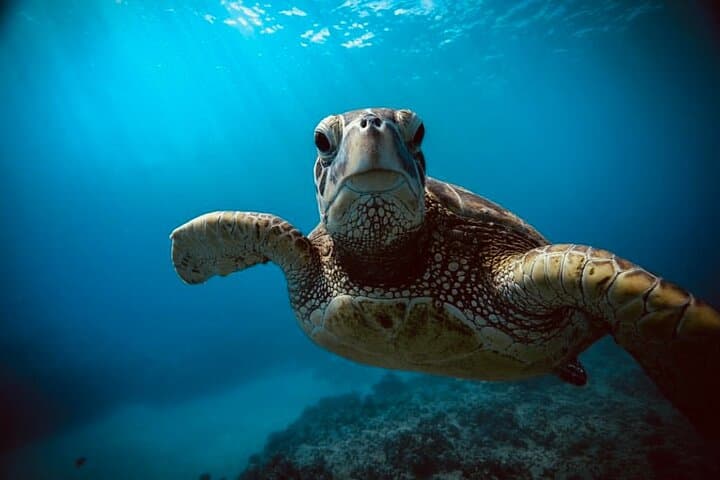
Oʻahu's #1 snorkeling destination with abundant reef fish, healthy live coral and a calm protected bay offers prime beginner-friendly conditions. The bay is equipped with lifeguards, restrooms, snack shop and a beach where you can picnic and sunbathe. To enjoy Hanauma Bay, non-residents must make advance reservations. There is an entry fee and a mandatory marine orientation video before you enter the water. Visitors who arrive without a reservation are turned away at the gate. This is not an excursion you plan the day of. For booking details, fees, hours and what to expect, check out our Hanauma Bay guide.
- Fish density: Exceptional
- Live coral: Excellent
- Water clarity: Excellent
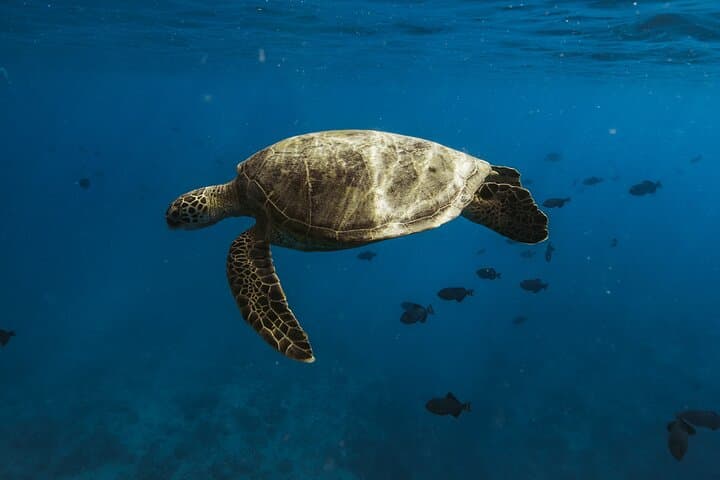
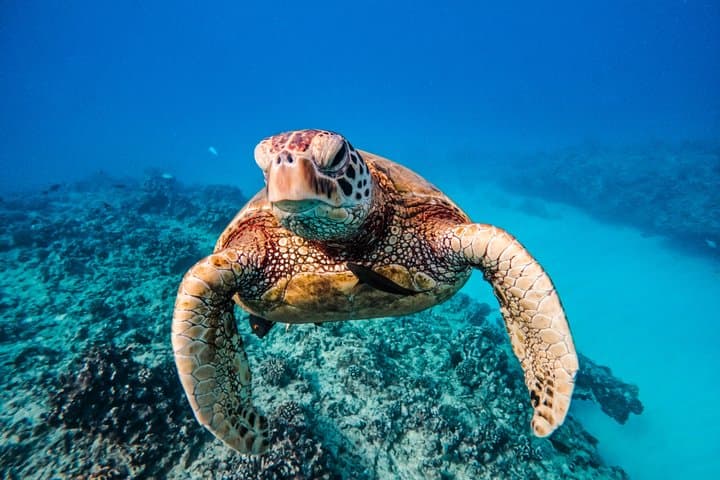
- Sea turtle viewing: Good
- Beginner-friendliness: Excellent
- Crowds: High — midday especially
Reservation required: Yes — book days to weeks ahead
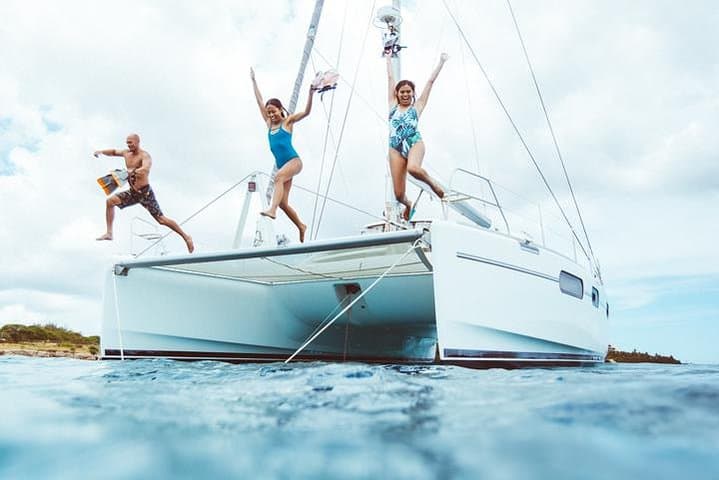
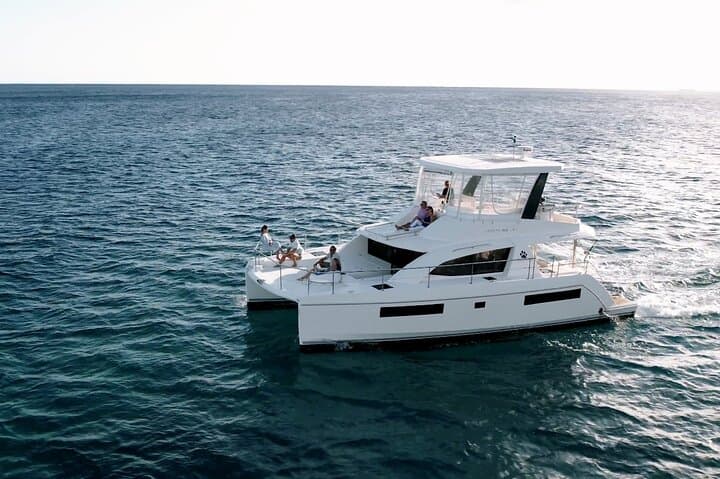
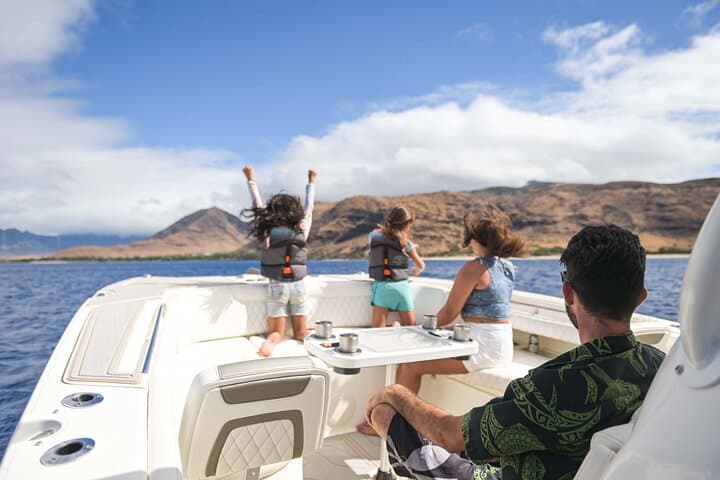
Skip it if you didn't plan ahead. A good same-day alternative would be Kapo’o (Sharks Cove) in summer or Electric Beach on calm days for confident swimmers. Same-day boat snorkel tours depart from Kewalo Basin (closest to Waikīkī) or Waiʻanae on the west side are also good options.
Kapo’o (Sharks Cove) — Pūpūkea Marine Life Conservation District
The best snorkeling spot on the North Shore during summer (May through September only). The snorkeling here may even be more interesting than Hanauma bay with its caverns, lava rock formations and tide pools. The Marine Life Conservation District designation, same as Hanauma Bay, means no fishing or removing anything from in or around the water. This is not a sandy-beach walk-in like Hanauma Bay, the entry is rocky and requires solid footing. Conditions during winter, when the North Shore sees high surf, are dangerous. Do not snorkel here between October and April regardless of how calm it looks from the parking lot.
- Fish density: Excellent
- Underwater topography: Excellent
- Water clarity: Very good
- Access ease: Moderate — rocky entry
- Season: Summer only (May–September)
- Crowds: Moderate
- Cost/reservation: Free, no reservation
- Safety risk (winter): High — do not enter Oct–April
Skip it if you're visiting between October and April, traveling with young children or uncomfortable with rocky entries.
Three Tables
Named for three flat reef formations that break the surface just offshore, Three Tables is a short walk from Kapo’o (Sharks Cove) and offers similar fish variety in a slightly more varied snorkeling environment. The three underwater structures create interesting swim-through spaces and attract a solid range of reef fish. Like Kapo’o, the entry is rocky and the season is summer only.
Three Tables tends to be slightly less crowded than Kapo’o on peak days, making it a reasonable alternative when the cove fills up. It doesn't quite match Kapo’o for the amount of fish you’ll see, but the underwater formations make it worth the short walk if you're already on the North Shore.
- Fish density: Very good
- Underwater topography: Good — three reef structures
- Water clarity: Very good
- Access ease: Moderate — rocky entry
- Season: Summer only (May–September)
- Crowds: Moderate, lighter than Sharks Cove
- Cost/reservation: Free, no reservation
Skip it if you're visiting in winter, have young children, or need easy water entry. Go to Kapoʻo (Sharks Cove) first, if it's crowded, walk to Three Tables.
Electric Beach (Kahe Point)
Electric Beach is Oʻahu's most unusual snorkeling experience and also one of its most dangerous. A warm-water outflow pipe from the adjacent power plant raises the water temperature near shore, which draws an extraordinary concentration of marine life and frequent sea turtle sightings. Some days, you can also see spinner dolphins. Experienced snorkelers call it one of the best spots on the island.
The risk of snorkeling at Electric Beach has to do with its strong currents — snorkelers are rescued here regularly. The rocky entry adds another layer of difficulty. This spot is for confident, experienced swimmers only and on calm days only. It is not appropriate for children, weak swimmers or anyone unfamiliar with reading ocean conditions.
Do not leave anything visible in your car.
- Fish density: Exceptional
- Sea turtle viewing: Excellent
- Dolphin encounters: Possible — warm outflow draws them
- Water clarity: Very good
- Access ease: Difficult — rocky entry, open ocean
- Safety risk: High — strong currents, rescues occur regularly
- Season: Year-round on calm days only
- Recommended for: Confident, experienced swimmers only
Skip it if you're a beginner, traveling with kids or visiting on a windy or high-surf day. If in doubt, don't go out.
Ko ʻOlina Lagoons
Ko ʻOlina's four manmade lagoons don’t have coral reefs or an abundance of fish, but the water is calm and generally safe for young children or weak swimmers who want to try snorkeling. The rock wall enclosures keep conditions gentle year-round. Paved walkways, beach access and nearby resort amenities make logistics easy.
- Fish density: Low
- Beginner/family-friendliness: Exceptional
- Conditions: Calm year-round
- Access ease: Excellent — paved entry, sandy bottom
- Crowds: Can be busy, especially weekends
- Cost/reservation: Free, no reservation
- Safety risk: Very low
Skip it if you're an experienced snorkeler looking for an abundance of marine life or a natural reef environment.