Skip to content
Take our survey — win Hawaii apparel
Hawaii.com
Big Island Snorkeling

Big Island Snorkeling

Sarah Burchard
By Sarah BurchardExpert verified

Hawaiʻi Island, also known as Big Island, has some of the best snorkeling in Hawaiʻi, thanks to its clear water and protected bays. It's also the only island in the archipelago with manta ray night snorkeling, a boat trip that takes you into the bay after dark to watch mantas feed using underwater lights. You could technically snorkel wherever looks appealing, but the best Big Island snorkeling is in these three areas: the Kohala Coast, Kailua-Kona and South Kona. There is also a spot on the Hilo side for anyone not making the drive west. This guide breaks down the differences between each location, so you can decide which is best for you, plus the practical information every visitor should know before getting in the water.

Hawaiʻi Island Snorkeling by Location

The best snorkeling on the Big Island can be broken down by three locations: the Kohala Coast, near the Waikōloa resort area; Kailua-Kona, including the Marine Conservation District at Kahaluʻu Bay and South Kona, home to the famous Two Step and Captain Cook Monument snorkel spots. Snorkeling is better on the Kona side than Hilo side overall, since it is sheltered from the trade winds and gets far less rain.

Kohala Coast

Along resort row, calm water and easy shore access make this stretch a good fit for families staying nearby.

ʻAnaehoʻomalu Bay, in front of the Waikoloa Beach Marriott, has an easy sandy entry. Parking: Free, on Kuʻualiʻi Place off Waikoloa Beach Drive | Facilities: Restrooms and gear-rental kiosks, no lifeguard | Best time: Morning, before afternoon wind picks up | Kid-friendly: Yes | Difficulty: Beginner Best for: Families staying on the Kohala Coast and beginner snorkelers. Skip if: You want more marine life. The Kona side is better for that.

Makaiwa Bay, in front of the Mauna Lani resort, offers similar calm, sandy conditions. Parking: Free at the Kalāhuipuaʻa Historic Park lot off Pauoa Road, then a roughly 15-minute walk on the Kalāhuipuaʻa Trail to the beach | Facilities: Restrooms and gear-rental kiosks, no lifeguard | Best time: Morning | Kid-friendly: Yes | Difficulty: Beginner Best for: The same crowd as ʻAnaehoʻomalu Bay, if you are willing to take a mini hike. Skip if: You don't want to make the walk from the parking lot.

Kaunaʻoa Beach, also called Mauna Kea Beach for the hotel in front of it, sits at the north end of resort row. The snorkeling is best along the far right side of the bay. Parking: Free public lot. Arrive before 8 a.m. to secure a spot | Facilities: Restrooms and showers, no lifeguard | Best time: Early morning | Kid-friendly: Yes | Difficulty: Beginner to intermediate Best for: Visitors willing to arrive early. Skip if: You can't make the early start. The parking lot fills fast.

Waialea Bay, known locally as "69s" for its location near mile marker 69, is a favorite among locals. Parking: Free | Facilities: Restrooms, showers and plenty of shade, no lifeguard | Best time: Morning, before wind and boat traffic pick up | Kid-friendly: Yes | Difficulty: Beginner to intermediate Best for: A local favorite without the resort crowds. Skip if: You need a lifeguard on duty.

Puakō Reef, off Puakō Beach Drive, was once a thriving reef, but has struggled in recent years. However, its underwater tunnels and caves still draw snorkelers. Parking: Limited free street parking | Facilities: No restrooms, no lifeguard | Best time: Early mornings | Kid-friendly: No | Difficulty: Advanced. To enter, you must swim or wade over a shallow, often sharp lava-rock shelf. Reef shoes are recommended Best for: Experienced snorkelers who don't mind a rough entry for less-crowded water. Skip if: You're snorkeling with kids or not comfortable with a lava rock entry.

For night manta ray snorkeling on the Kohala Coast, tours depart from Kawaihae South Boat Harbor.

Waialea Beach, also known as 69s.Photo by Sarah Burchard.

Kailua-Kona

Kahaluʻu Bay is a certified Marine Conservation District with an ancient coral reef ecosystem. It's one of the most beginner-friendly spots on the island, after the Kohala Coast. Parking: $12 for visitors, free for Hawaiʻi residents | Facilities: Restrooms, showers, grills, covered picnic tables, lifeguard and on-site conservation docents. No ticket required to enter | Best time: Morning, before the crowds build | Kid-friendly: Yes | Difficulty: Beginner Best for: First-time snorkelers, families with kids and snorkelers with limited mobility. Skip if: You want deep water or solitude — this beach gets crowded.

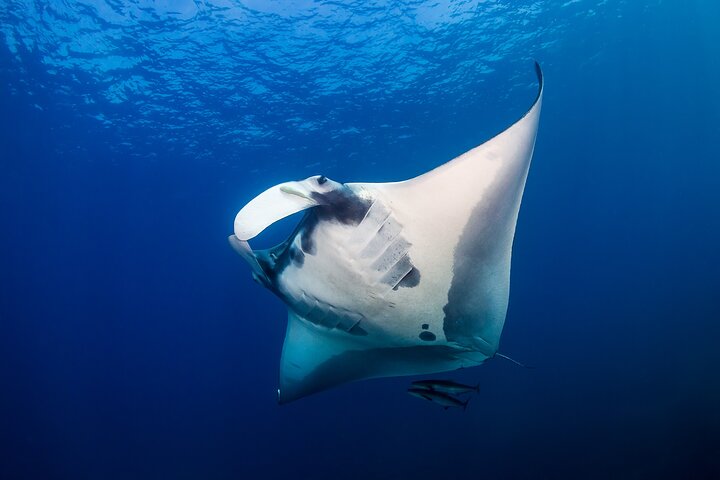
Many of Kona's well-known manta ray night tours depart from Honokōhau Harbor, just north of Kailua-Kona, heading to Garden Eel Cove, nicknamed Manta Ray Heaven. Best for: Adventurous snorkelers after a once-in-a-lifetime experience. Skip if: You're prone to motion sickness or uneasy entering dark water. Restricted to adults and kids 8 and older.

Photo by Sarah Burchard.

South Kona

Two Step, in Hōnaunau Bay across from Puʻuhonua o Hōnaunau Historical Park, is known for crystal-clear water and a lava-shelf entry — literally two steps into the ocean. Parking: Limited free roadside parking near the bay, or a $5 lot. Arrive early, spots fill by mid-morning | Facilities: Portable toilets only, no showers | Best time: Early morning, before the parking lot fills | Kid-friendly: No | Difficulty: Intermediate to advanced — the rock entry can be challenging Best for: Intermediate and advanced snorkelers comfortable climbing down lava rock to enter the water. Skip if: This is your first time snorkeling, since getting in and out of the water here can be challenging. Not recommended for kids under 8 or when the water looks rough.

Kealakekua Bay is a protected marine sanctuary where tour operators lead snorkeling trips to the Captain Cook Monument, accessible only by hiking trail, boat or kayak with restrictions. Swimming to the monument on your own is prohibited without a state permit. Best for: Visitors booking a Kealakekua kayak-snorkel tour. Skip if: You want a spot with easy access.

Keauhou Bay, near the Outrigger Kona Resort & Spa, is another Big Island departure point for night manta ray snorkeling.

Two Step. Photo by Sarah Burchard.

Hilo

The Hilo side gets more rain than the Kona side. There are also fewer protected spots suitable for snorkeling. The exception is Richardson Ocean Park, a protected black-sand beach a few miles east of downtown Hilo, with calm water and sea turtle sightings. Parking: Free lot; arrives fills in late afternoon as locals come for sunset | Facilities: Restrooms, outdoor showers, picnic tables and lifeguard tower | Best time: Late morning to early afternoon, for the best visibility | Kid-friendly: Yes | Difficulty: Beginner Best for: Hilo-based visitors, or anyone not making the drive to the west side, who still wants a snorkel day. Skip if: You're looking for an abundance of marine life. Richardson is a decent snorkel spot, but not as good as Kona.

Richardson Ocean Park. Photo by Natasha Bourlin.

Signature Experience: Kona Manta Ray Night Snorkel

The manta ray night snorkel off Kona and the Kohala Coast is Hawaiʻi's only experience of its kind, and visitors travel to the Big Island specifically for it. Tour boats head out every 30 minutes or so and anchor over a lit platform where the underwater lights attract plankton. The plankton draws the manta rays in to feed, often putting them within arm's reach of the snorkelers floating at the surface. Tours run year-round from Honokōhau and Keauhou harbors near Kailua-Kona and from Kawaihae South Boat Harbor on the Kohala Coast.

What to expect: An evening departure, typically a two- to three-hour trip. Most operators provide wetsuits, since the water cools quickly after dark, and snorkelers hold onto a floating platform rather than treading water the whole time.

Which tour to book: Options range from small six-passenger boats to large catamarans carrying 30 or more guests — smaller boats generally mean a more personal experience and easier access to the water. I’ve also been told the smaller, quiet boats are much better for the manta rays. Some operators combine the manta tour with a daytime Kealakekua Bay snorkel trip, while others run it as a standalone evening tour. Decide based on how much of your day you want to commit.

How to prepare: Take motion sickness medication in advance if you're prone to it, and bring a light jacket for the ride back — the water and night air can get chilly. Never touch or chase the manta rays, let them come to you.

Guarantee policy: Mantas are wild animals, and no operator can promise a sighting. Ask before booking whether the company offers a free re-ride if no mantas show up that night — most reputable operators do.

Practical: Reef-Safe Sunscreen, Kealakekua Rules and Seasonal Conditions

Three things every Big Island snorkeler should know before getting in the water:

Reef-safe sunscreen is Hawaiʻi state law. Under Act 104, effective 2021, the sale and distribution of sunscreens containing oxybenzone and octinoxate is banned statewide — both chemicals contribute to coral bleaching. Choose a mineral-based sunscreen with zinc oxide, look for a "reef safe" or non-nano label or skip sunscreen altogether in favor of a long-sleeve rash guard.

Kealakekua Bay has restrictions. Swimming to the Captain Cook Monument is prohibited without a permit from the state Department of Land and Natural Resources. To legally reach that side of the bay, you can take a permitted commercial kayak tour, a permitted commercial boat tour, acquire a DLNR-permit to kayak independently — which is capped at a limited number of permits per day, or hike to it via the Captain Cook Monument Trail. Swimmers may enter the water from Napoʻopoʻo Beach on the south end of the bay, but are not allowed to swim to the monument.

Seasonal conditions to be aware of. Winter swells, roughly October through April, hit the west side the hardest. The Kona side is typically calmer than the North Kohala coast in winter, but conditions can shift day to day. Check a local surf or ocean-safety report before entering the water anywhere on the island.

Kealakekua Bay Morning Snorkel to Captain Cook MonumentHawaiʻi IslandFree cancellation

Kealakekua Bay Morning Snorkel to Captain Cook Monument

If you are new to or have never snorkeled before, this is the ideal choice! Particularly good for families with younger children or swimmers who aren’t certain if they are “sea worthy” enough for one of our longer trips. This trip is much slower-paced and affords guests time to become more familiar and comfortable with the exciting and beautiful sport of snorkeling. Our crew will be happy to help you adjust your mask, fins and snorkel and help you become comfortable viewing the tropical fish while using a flotation assistance device we call a “noodle”. You'll even watch for dolphins and whales along the way!

5.0(6)3 hr 30 min
From $99Book Now
Mauna Kea 3hr Two Stop Sealife Snorkel AdventureHawaiʻi IslandFree cancellation

Mauna Kea 3hr Two Stop Sealife Snorkel Adventure

Set out from Kawaihae Harbor aboard Olohana, a 41-ft luxury powerboat built for comfort, speed, and adventure along the Big Island’s beautiful Kohala Coast. This 3-hour tour visits two distinct snorkel sites, selected daily for the best visibility and calm conditions. Explore vibrant reefs teeming with tropical fish and Hawaiian green sea turtles, with dolphins often seen nearby and humpback whales in season. Between snorkel stops, unwind on deck and enjoy a sandwich lunch, snacks, and cold drinks as you take in the coastal views. Perfect for families, first-time snorkelers, and anyone looking to experience the Big Island’s underwater beauty and aloha spirit.

5.0(4)3 hours
From $149Book Now

Related Guides

Sarah Burchard
Sarah Burchard

Editor · Oʻahu

Sarah Burchard has called Oʻahu home since 2017. com, Hana Hou, FLUX Hawaiʻi, Forbes, Hawaiʻi Magazine and Honolulu Magazine.

More from Sarah →