advisory
Governor Green Issues Third Proclamation Relating to September 2026 Tropical Cyclones
In effect until Oct 13, 3:55 PM HSTSource: HIEMA ↗
This week in Hawaiʻi
Current conditions and advisories that could affect your plans.
Last updated Oct 12, 6:30 AM HST
From our editors in Hawaiʻi
Some areas may still be affected. Follow all closures and warnings. Check government websites for conditions before visiting state parks and hiking trails.
Hawaiʻi Volcanoes National Park · Park Closure
Halemaʻumaʻu Trail and part of Byron Ledge Trail are temporarily closed due to continued inflation and increased seismicity at the summit of Kīlauea volcano. The closure is a total of 1.3 miles. The increased seismicity could trigger additional rock falls and presents a serious safety risk. Both trails descend from the caldera rim to the floor and have been the site of dangerous rock falls in the past.
Hawaiʻi Volcanoes National Park · Caution
Kīpukapuaulu Trail remains closed due to numerous hazardous trees and hanging limbs resulting from several recent storms. Managers are developing a plan and will reopen the trail when it is safe.
Puʻuhonua o Hōnaunau National Historical Park · Park Closure
Puʻuhonua o Honaunau National Historical Park has reopened. However, please note that the Puʻuhonua area of the park remains closed until further notice. Additionally, the 1871 Trail beyond Alahaka Ramp is also closed.
Instead, our editors recommend
Visit Laʻaloa Beach County Park, also known as Magic Sands Beach (30 minutes north), instead. This is also a preserved heritage site, where you can find an ancient Hawaiian heiau (temple), petroglyphs and residential compounds.
Instead, our editors recommend
If you are staying in Volcano or want to go hiking in this area, there are many open trails you can hike at Hawaiʻi Volcanoes National Park — just a 6 minute drive from Kipuka Puaulu Trail.
Instead, our editors recommend
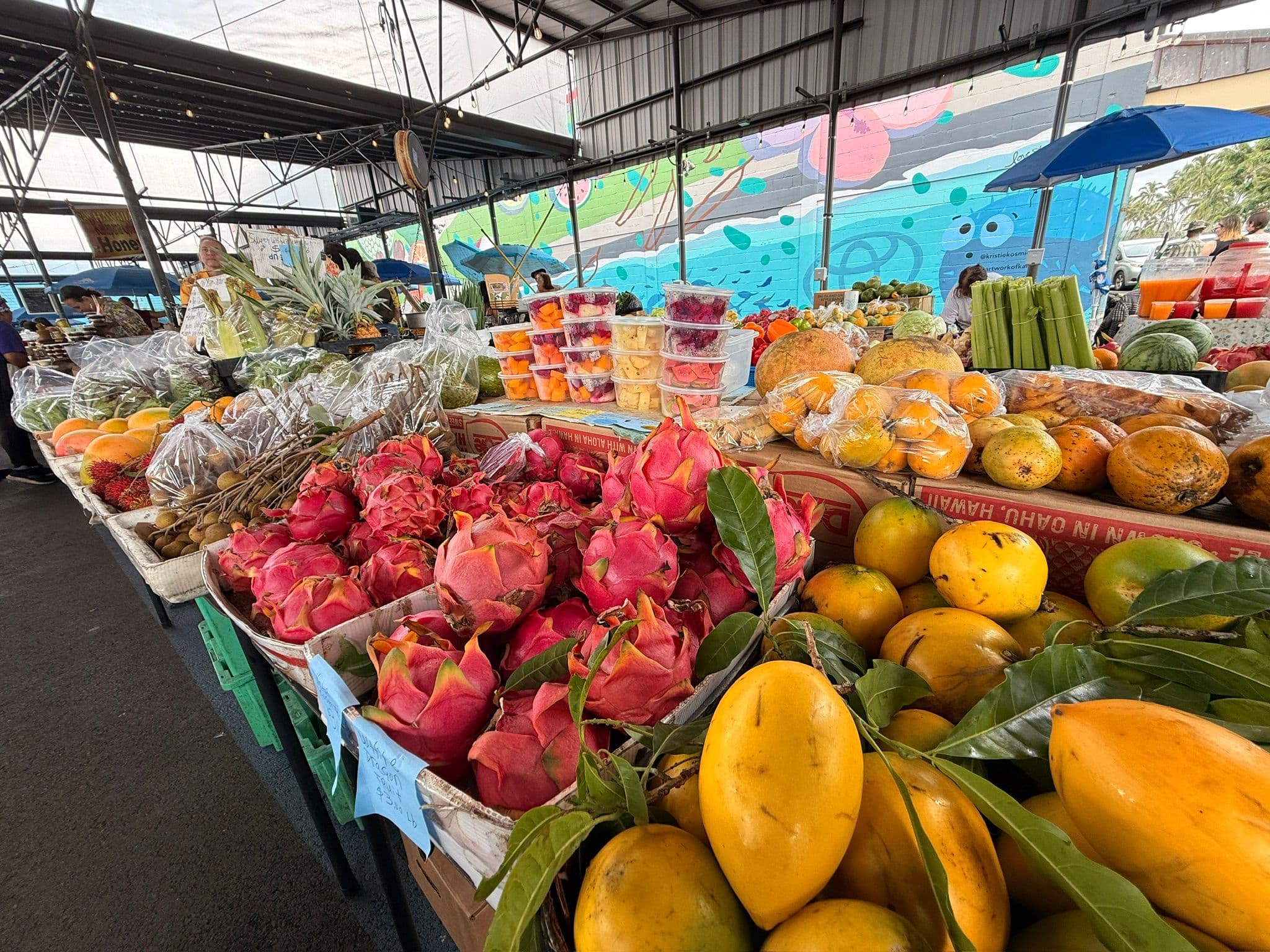
If you are looking for another beach nearby, check out Old Kona Airport Beach Park at 75-5560 Kuakini Highway in Kailua-Kona. This expansive sandy beach has plenty of space, restrooms and parking. Kona, and the west side in general, will be a hot spot during the annual Ironman Competition. If you want to avoid the crowds completely, visit Hilo on the east side instead for waterfalls, Hilo farmers market and shopping.
USGS Hawaiian Volcano Observatory · aviation code ORANGE
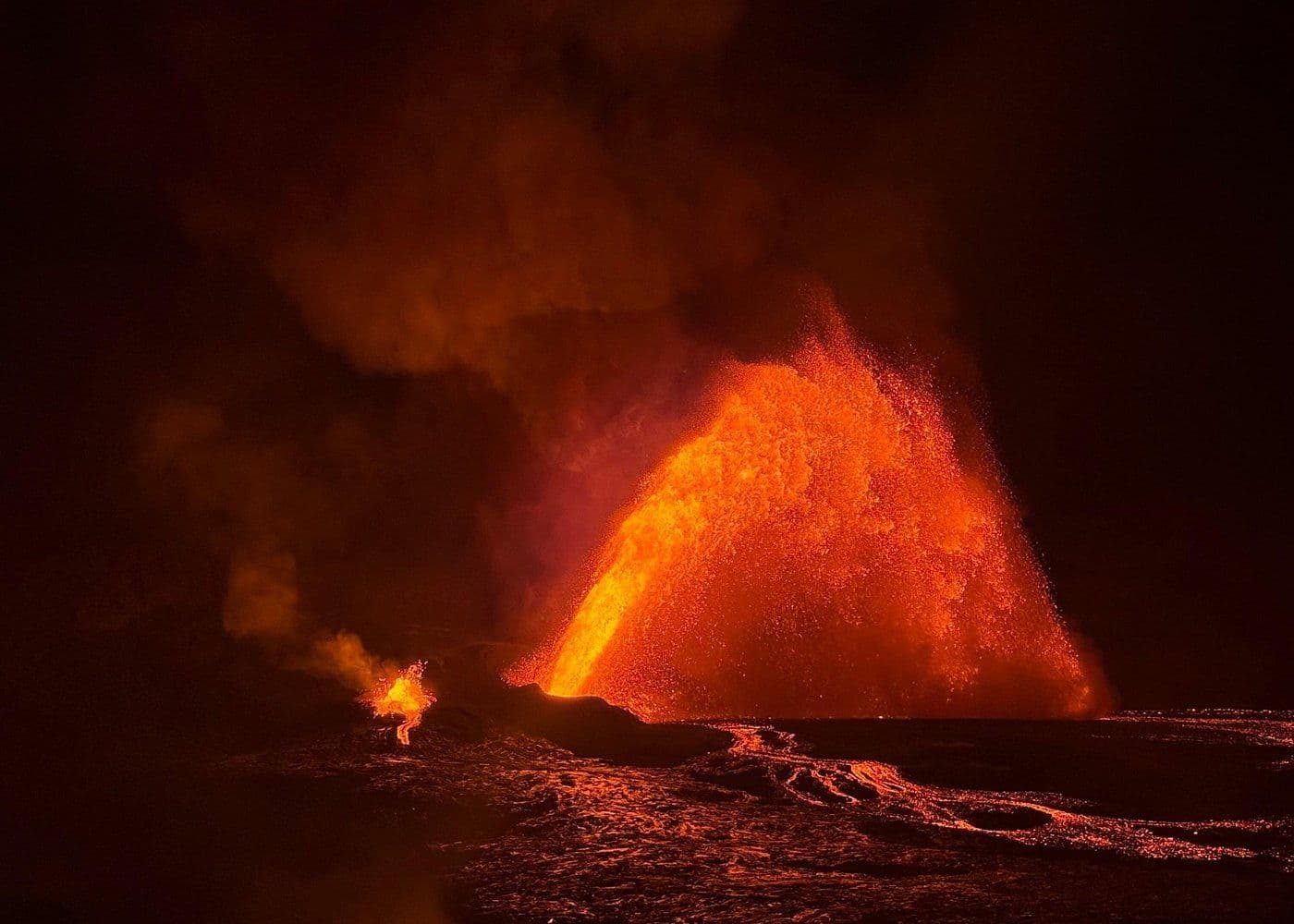
The north vent erupted spatter overnight feeding a short, tube-fed pahoehoe flow. Kīlauea's summit remains at a high level of pressurization with changes in eruptive activity or location within the summit region possible in the coming days to weeks.
Hawaiʻi Volcanoes National Park · Park Closure
Due to increased earthquakes below the summit of Kīlauea and volcanic unrest, the Keanakākoʻi area is temporarily closed for safety. This includes old Crater Rim Drive, the overlooks near Keanakākoʻi crater and Crater Rim Trail to Keanakākoʻi crater. Devastation parking lot remains open.
Hawaiʻi Volcanoes National Park · Caution
Volcanic ash, rock and glassy strands (tephra) is present at Kīlauea summit and can irritate your skin, eyes and respiratory system. For your safety, do not handle it. Eye protection, long sleeves, long pants, a hat, closed-toe shoes and a dust mask are recommended.
Instead, our editors recommend
Peak hours are between 5:00 p.m. and 9:00 p.m. (expect traffic delays and full parking lots). Eruptions are hard to time and can be as short as a few hours. Try parking at The Welcome Center, Kīlauea Overlook and Uēkahuna.
KONA, Hawai‘i – The Hawai‘i Department of Transportation (HDOT) is hosting its fourth and final community information meeting for the Ellison Onizuka Kona International Airport at Keāhole (KOA) Master Plan Update. The meeting will be on Wednesday, Oct. 28, from 6 p.m. to 7:30 p.m. in the Kealakehe High School Cafeteria at 74-5000 Puohulihuli Street. […]
What our editors recommend given the current conditions.
Conditions are collected from official sources and updated automatically. Hawaii.com reports what agencies have posted; it does not determine whether conditions are safe.
Nothing here yet. Browse the site and tap + on anything that looks fun.
Add something to start your trip.